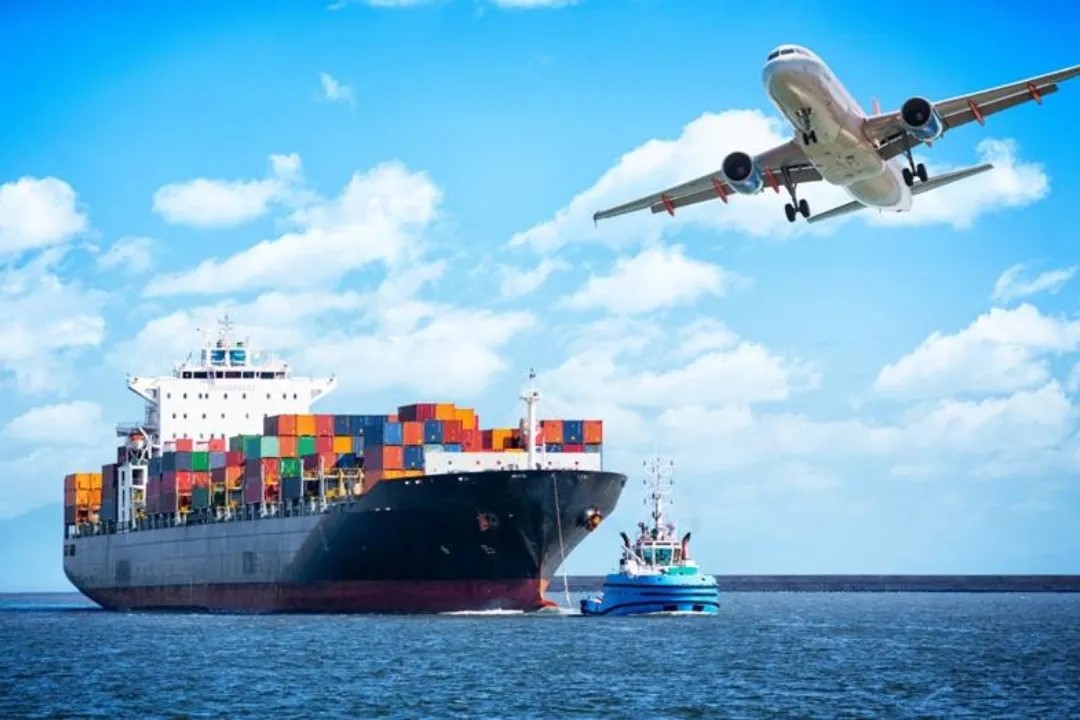


Basic Concept and Core Characteristics of Multimodal Transportation
Multimodal transportation is a standardized integrated logistics service based on a unified bill of lading and a single liability subject, covering the whole-process transportation of goods from the origin to the destination via multiple transport tools. Different from single logistics modes, it features integrated connection, flexible route combination, wide application scope and controllable comprehensive cost. It can make up for the shortcomings of single transportation, such as slow sea freight speed, high air freight cost and limited rail freight coverage. It is widely applicable to bulk goods, general trade goods, cross-border e-commerce goods and engineering equipment, and can flexibly match customized logistics schemes according to customer's timeliness and budget requirements.

Pre-Service Preparation for Standard Multimodal Logistics
The smooth implementation of multimodal transportation relies on systematic pre-service preparation, which is more complicated than single transportation due to the docking of multiple logistics links. Shippers and forwarders need to confirm cargo attributes, delivery timeliness and budget standards in advance, and formulate scientific combined transport route schemes. Meanwhile, it is necessary to sort out unified full-set transport documents that adapt to multiple transportation modes, complete professional cargo packaging suitable for transshipment, and confirm transshipment port, station and warehouse docking rules. Complete pre-preparation can avoid link docking errors, transshipment delays and document inadaptability problems in the whole combined transportation process.

Standard Full Operation Process of Multimodal Transportation
Each link of multimodal transportation is closely coordinated and seamlessly connected, and standardized segmented operation and unified management ensure the whole process efficient, orderly and controllable.
Phase 1: Scheme Customization & Booking Confirmation
According to customer's cargo volume, timeliness requirement and delivery address, the logistics provider formulates a targeted multimodal combined transport scheme such as sea-rail combined transport, air-land combined transport and sea-land combined transport. After confirming the scheme, submit booking applications to corresponding carriers of each link and complete the confirmation of transport resources and transshipment time nodes.
01
Phase 2: Cargo Sorting & Transshipment Packaging
Conduct classified sorting of goods, and adopt anti-collision, pressure-resistant and turnover-resistant professional packaging suitable for repeated loading, unloading and transshipment. Mark unified cargo identification and transshipment labels on the outer package to ensure convenient identification and smooth handover in multiple transshipment links.
02
Phase 3: Unified Document Submission & Declaration
Sort out unified multimodal transport bill of lading and supporting documents, and complete centralized customs declaration and commodity inspection at the departure port. The unified document standard realizes one-time declaration and whole-process recognition, avoiding repeated declaration and inspection in different transport links.
Phase 4:Segmented Transportation & Transshipment Docking
Carry out segmented transportation in strict accordance with the formulated route scheme. Professional personnel are arranged to be stationed at transshipment nodes to complete cargo handover, inspection, warehousing and secondary loading, ensuring zero errors in the connection of sea, air, rail and land transport links.
04
Phase 5: Terminal Clearance & Final Delivery
After the goods arrive at the destination port or station, complete destination customs clearance and cargo inspection work. After the customs release, carry out terminal land distribution, and finally deliver the goods to the designated consignee address to complete the whole multimodal transportation service.
05
Unique Advantages of Multimodal Transportation in Global Logistics
Multimodal transportation has become the optimal choice for modern complex cross-border logistics by virtue of its diversified combination and flexible adjustment capabilities. It effectively integrates the cost advantage of sea freight, speed advantage of air freight and regional coverage advantage of rail and road freight, breaking the service limitations of single transportation mode. It can greatly reduce comprehensive logistics costs for enterprises while meeting differentiated timeliness requirements. In addition, the whole-process one-stop service with a single responsible subject simplifies the logistics docking process, reduces manual communication costs and link error risks, and greatly improves the stability and flexibility of the global supply chain, which is suitable for long-term large-scale cross-border trade layout of enterprises.

Common Risks & Practical Solutions for Multimodal Transportation
Scientific risk early warning and whole-process controlled management can effectively avoid hidden dangers in multimodal transportation and ensure stable, efficient and low-operation-risk cross-border logistics delivery.
Transshipment Connection Delay Risk:
Multiple transshipment links are prone to schedule mismatch and handover delays, resulting in overall transportation timeout. The solution is to reserve reasonable buffer time for each transshipment node, arrange special personnel to track link dynamics in real time, and adjust the transfer scheme in advance in case of abnormal conditions.
Multi-Link Cargo Damage Risk:
Multiple loading, unloading and transshipment operations will increase the probability of cargo collision, extrusion and damage. It is necessary to adopt enhanced turnover packaging, paste obvious protection labels, and purchase full-process cargo insurance to cover the risks of the whole transportation chain.
Inadaptable Document Standard Risk:
Different transportation modes have different document specifications, and mismatched documents will cause clearance and transshipment obstacles. Enterprises need to adopt unified multimodal transport dedicated documents that meet international general standards to realize whole-process universal verification and handover.
Cross-Border Policy & Supervision Risk:
Different countries and transportation channels have different customs supervision and trade policies, which may lead to detention and inspection risks. It is necessary to real-time update international logistics policy information, comply with local declaration rules, and adjust transport routes and schemes in a timely manner.

Secure Your Export Chain from Door to Port
In the intricate dance of international trade, precision in executing your chosen Incoterm is paramount. Evership Logistics provides the confidence and expertise you need to master your CIF exports.
Let us be your dedicated partner, ensuring your goods begin their international journey flawlessly. Contact Evership Logistics today for a detailed consultation and a comprehensive CIF Door-to-Port quote tailored to your specific trade lane and cargo requirements. Navigate with confidence.
Your trusted Logistics Experts

EVERSHIP GLOBAL LIMITED is powered by a leadership team whose combined 20-plus years in global freight give us an instinct for what can go wrong-long before it ever does. We set the bar for premium freight services with end-to-end solutions tailored to diverse cargo needs. Our dedicated team guarantees prompt response to all inquiries, while our customized packaging services-from standard carton reinforcement to specialized crating for fragile goods-protect your shipments every step of the way. Complemented by secure, climate-controlled warehousing facilities, we offer flexible storage options with real-time inventory tracking, ensuring your goods are well-preserved and readily accessible for timely dispatch. We also excel in oversized and heavy-lift cargo transportation, equipped with specialized equipment and expert logistics planning to handle project cargo, machinery, and bulky items safely and efficiently across complex routes.
Our service network spans key markets across the globe, with optimized routes covering Asia-Pacific (Indonesia, Vietnam, Thailand, Malaysia, Singapore), Europe (Germany, France, Italy, Netherlands), Africa (Nigeria, Ethiopia), South America (Mexico, Peru) and North America (Canada, Los Angeles). For each region, we partner with top-tier carriers and local agents to streamline transit, minimize delays, and ensure compliance with regional customs regulations-delivering consistent reliability whether you're shipping consumer goods to Singapore, industrial equipment to Germany, or raw materials to Peru. From the first click on our one-screen booking portal to the final POD on your dashboard, you get decisions made by veterans, executed by technology, delivered at speed.






Hot Tags: multimodal transportation: full guide to combined global logistics, China multimodal transportation: full guide to combined global logistics company, intermodal and multimodal transportation, logistics and multimodal transport, multimodal transit, multimodal transport logistics, Multimodal Transport Services Between China And Europe And Asia, Sea Freight Air Cargo Shipping From China To Toronto