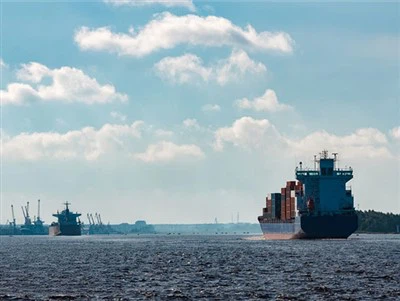


Basic Overview and Core Characteristics of Sea Freight
Sea freight refers to the international cargo transportation mode that relies on ocean-going vessels to deliver goods between global ports, mainly divided into FCL (Full Container Load) and LCL (Less than Container Load) shipping modes. It features ultra-large loading capacity, low transportation cost, wide global port coverage and strong cargo adaptability, applicable to general goods, machinery equipment, bulk raw materials, furniture and other large-volume commodities. Although sea freight has a longer transit time than air freight, its high cost performance and stable shipping routes make it the first choice for long-term cross-border trade and bulk cargo transportation, supporting the operation of the global industrial supply chain.
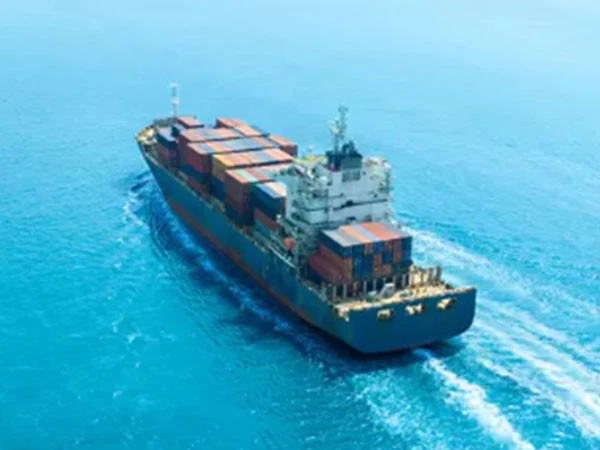
Essential Preparations for Standard Sea Freight Shipping
Smooth sea freight transportation relies on adequate pre-shipping preparations, which cover cargo sorting, packaging standardization, document preparation and shipping schedule confirmation. Shippers need to classify goods according to international shipping standards, adopt shockproof, moisture-proof and pressure-resistant packaging for long-distance ocean transportation, and complete accurate cargo weighing and volume measurement. Meanwhile, it is necessary to sort out core shipping documents including bill of lading, commercial invoice, packing list and certificate of origin, and confirm departure port, destination port and vessel schedule in advance. Sufficient pre-preparation can effectively avoid cargo damage, document errors and delayed shipment problems in the subsequent shipping process.
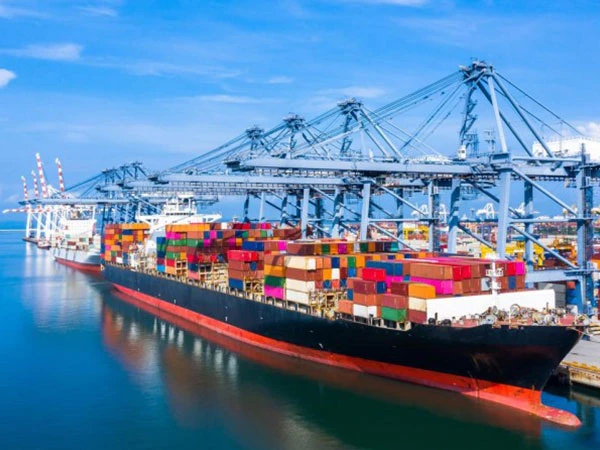
Standard Full Operation Process of Sea Freight
All links of the sea freight process are interlocked and mutually restricted, and standardized operation in every step is the core guarantee for safe, compliant and on-time cargo transportation.
Phase 1: Cargo Booking Confirmation
After confirming the trade order, the shipper or freight forwarder submits a formal booking application to the shipping company or agent, providing detailed cargo information, port information and required shipping time. The carrier verifies the information, allocates container space and issues an official booking confirmation, locking the vessel and cabin resources for the goods.
01
Phase 2: Cargo Warehousing and Inspection
According to the scheduled time, goods are delivered to the designated port warehouse or container yard. The warehouse operator checks the cargo quantity, packaging integrity and product appearance, records warehousing data, and eliminates unqualified goods to ensure the cargo meets ocean shipping standards.
02
Phase 3: Customs Declaration and Clearance
Professional customs brokers submit declaration data and complete document review to the customs department. Customs conducts document verification and random physical inspection to check whether the declared information is consistent with the actual goods. Only cargo that passes customs inspection can complete clearance and obtain the qualification for shipment.
Phase 4:Container Loading and Sealing
After customs clearance, professional stevedores complete container loading according to cargo attributes and volume. The whole loading process is recorded with photos. After loading, the container is sealed with a unique customs seal to ensure cargo safety during transportation, and the vessel prepares for departure.
04
Phase 5: Ocean Transit and Destination Delivery
During ocean transit, the freight forwarder tracks vessel dynamics and cargo status in real time to respond to emergencies such as route adjustment and port congestion. After the ship arrives at the destination port, the consignee completes import clearance and tariff payment, and picks up the goods to finish the whole sea freight process.
05
Unique Advantages of Sea Freight in Global Logistics
Sea freight occupies a core dominant position in global cross-border logistics by virtue of its irreplaceable comprehensive advantages. In terms of cost, it has far lower unit transportation cost than air freight and express delivery, which can greatly reduce the overall logistics expenditure of enterprises for bulk cargo transportation. In terms of cargo adaptability, it can support oversized, overweight, bulk and special goods that cannot be transported by other logistics methods. In terms of stability, major global shipping routes are mature and fixed, with standardized port operation systems. In terms of capacity, ocean vessels have super-large loading space, which can meet the large-scale shipping demand of international trade enterprises and help enterprises realize large-volume and low-cost global commodity layout.
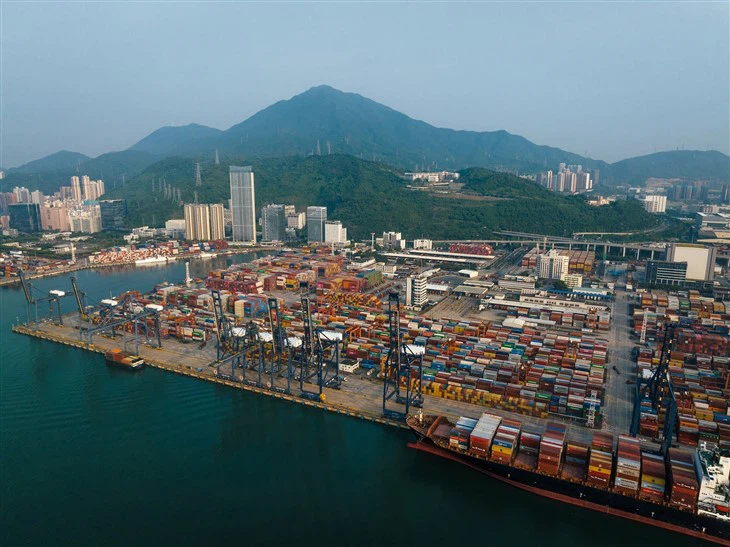
Common Risks and Targeted Solutions for Sea Freight
Scientific risk early warning and targeted preventive measures can effectively resolve hidden dangers in sea freight, ensure the safety and timeliness of cargo transportation, and stabilize enterprise cross-border trade business.
Document Compliance Risk:
Inconsistent document information, missing certificates or non-compliant declaration materials will directly cause customs clearance failure and shipment delay. Enterprises can avoid this risk by establishing a document double-check mechanism, verifying all information before declaration, and preparing special qualification certificates in advance for special goods.
Cargo Damage and Moisture Risk:
Long-distance ocean transportation is affected by sea wind, waves and humid climate, which may cause cargo moisture, collision damage and extrusion deformation. The solution is to adopt professional moisture-proof, shock-proof and reinforced packaging, and fix goods firmly in the container to reduce cargo loss during transit.
Vessel Schedule Delay Risk:
Extreme weather, global port congestion, vessel schedule adjustment and container shortage are the main causes of sea freight delays. Shippers can reserve flexible alternative routes in advance, reasonably reserve delivery buffer time, and track shipping dynamics in real time to reduce the impact of delays on order delivery.
Tariff and Inspection Risk:
Inaccurate cargo value declaration and inconsistent product attribute information will trigger key customs inspection and lead to additional tariff costs and detention risks. It is necessary to declare cargo value and product information truthfully, comply with the supervision rules of importing and exporting countries, and use preferential certificates legally to reduce tariff costs.

Secure Your Export Chain from Door to Port
In the intricate dance of international trade, precision in executing your chosen Incoterm is paramount. Evership Logistics provides the confidence and expertise you need to master your CIF exports.
Let us be your dedicated partner, ensuring your goods begin their international journey flawlessly. Contact Evership Logistics today for a detailed consultation and a comprehensive CIF Door-to-Port quote tailored to your specific trade lane and cargo requirements. Navigate with confidence.
Your trusted Logistics Experts

EVERSHIP GLOBAL LIMITED is powered by a leadership team whose combined 20-plus years in global freight give us an instinct for what can go wrong-long before it ever does. We set the bar for premium freight services with end-to-end solutions tailored to diverse cargo needs. Our dedicated team guarantees prompt response to all inquiries, while our customized packaging services-from standard carton reinforcement to specialized crating for fragile goods-protect your shipments every step of the way. Complemented by secure, climate-controlled warehousing facilities, we offer flexible storage options with real-time inventory tracking, ensuring your goods are well-preserved and readily accessible for timely dispatch. We also excel in oversized and heavy-lift cargo transportation, equipped with specialized equipment and expert logistics planning to handle project cargo, machinery, and bulky items safely and efficiently across complex routes.
Our service network spans key markets across the globe, with optimized routes covering Asia-Pacific (Indonesia, Vietnam, Thailand, Malaysia, Singapore), Europe (Germany, France, Italy, Netherlands), Africa (Nigeria, Ethiopia), South America (Mexico, Peru) and North America (Canada, Los Angeles). For each region, we partner with top-tier carriers and local agents to streamline transit, minimize delays, and ensure compliance with regional customs regulations-delivering consistent reliability whether you're shipping consumer goods to Singapore, industrial equipment to Germany, or raw materials to Peru. From the first click on our one-screen booking portal to the final POD on your dashboard, you get decisions made by veterans, executed by technology, delivered at speed.






Hot Tags: complete guide to ocean shipping services & processes, China complete guide to ocean shipping services & processes company, China Frankfurt Sea Freight, China Vietnam Shipping Services, COSCO Shipping Guangzhou To Mombasa Kenya, Process Of Sea Freight, sea cargo international, sea cargo price