

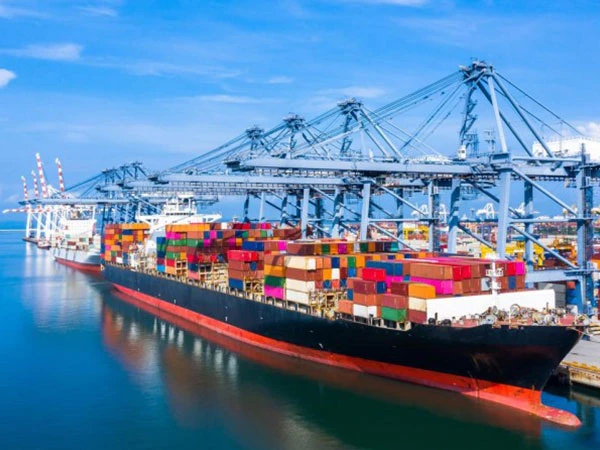
Core Definition and Scope of Shipping Import & Export
Shipping import and export refers to the cross-border cargo transportation mode relying on ocean vessels, covering all logistics and customs procedures for goods exported from domestic ports to overseas markets and imported from foreign ports to the local market. It is the most mainstream, cost-effective and large-capacity international logistics mode, suitable for bulk goods, general cargo, container goods and special cargo transportation. Different from air and rail freight, sea shipping import and export has a complete set of independent process specifications in terms of document review, container scheduling and customs supervision, which is applicable to most global cross-border trade scenarios and serves as the backbone of international commodity circulation.

Key Documents Required for Import and Export Shipping
Complete and accurate documents are the premise of smooth customs clearance and shipping of import and export goods, and any missing or incorrect document will lead to shipment delay and fine risks. The core universal documents include bill of lading, commercial invoice, packing list and customs declaration form, which are used to prove cargo ownership, value, quantity and trade compliance. In addition, special goods need to provide targeted certificates, such as certificate of origin for tariff preference, inspection and quarantine certificate for food and chemical products, and export license for restricted goods. Standardized document sorting and verification can effectively avoid clearance obstacles and ensure the whole shipping process is compliant and efficient.

Full Standard Operation Process of Import & Export Shipping
Every step in the whole shipping workflow is closely linked, and seamless coordination among all parties is essential to guarantee on-time shipment and smooth customs clearance.
Phase 1: Cargo Booking & Scheduling
After confirming the trade order, the shipper or freight forwarder submits booking application to the shipping company, providing detailed cargo information, port of departure, destination port and expected shipping date. The shipping company reviews the information, arranges container space and issues booking confirmation, completing the preliminary cargo scheduling. This step determines the basic shipping schedule and is the starting point of the whole logistics process.
01
Phase 2: Cargo Packaging & Warehousing
According to international shipping standards, goods are professionally packaged and labeled to avoid damage, moisture and collision during ocean transportation. After packaging, the goods are delivered to the designated port warehouse or container yard. The warehouse staff checks the cargo quantity and appearance, and completes warehousing registration, laying a foundation for subsequent container loading.
02
Phase 3: Customs Declaration & Inspection
With the warehousing completed, professional declarants sort out all documents and submit customs declaration data to the customs system. Customs will conduct document review and random physical inspection of goods to verify whether the cargo information is consistent with the declared content and meets national import and export supervision regulations. Goods that pass the review and inspection can complete customs clearance and enter the loading link.
Phase 4:Container Loading & Shipment
After customs clearance, the port staff arranges container loading according to the cargo volume and type, and takes photos to record the loading process to ensure cargo safety. After loading, the container is sealed with a unique customs seal, and the ship departs from the port on schedule. The shipping company feeds back the vessel and cargo tracking information to the shipper for real-time logistics monitoring.
04
Phase 5: Ocean Transportation & Destination Clearance
During ocean transportation, the cargo status is tracked in real time to deal with unexpected situations such as route adjustment and port delay in a timely manner. After the vessel arrives at the destination port, the consignee uses the bill of lading and other documents to handle import customs clearance, pay relevant tariffs and handling fees. After passing customs inspection, the consignee can pick up the goods and complete the whole import and export shipping process.
05
Core Advantages of Standardized Shipping Import & Export Process
Standardizing the import and export shipping process can effectively optimize the overall logistics efficiency of cross-border trade and reduce unnecessary time and cost loss. Unified operational standards can eliminate manual errors in document sorting, cargo loading and customs declaration, greatly improving the pass rate of customs clearance and avoiding shipment detention and penalty risks caused by non-standard operations. Meanwhile, standardized process management enables enterprises to accurately control each logistics link, realize predictable shipping schedules, improve the stability of global cargo supply chains, and enhance the overall competitiveness of foreign trade enterprises in international market transactions.
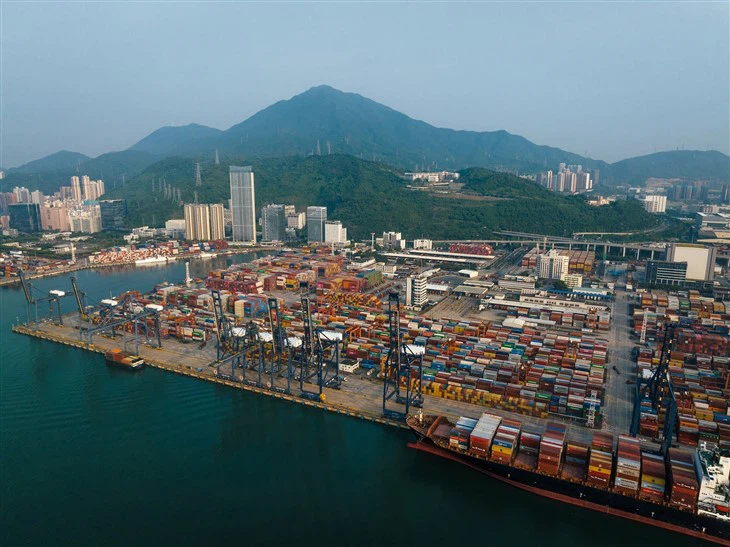
Common Risks & Practical Solutions in Shipping Import & Export
Recognizing potential logistics risks in advance and adopting targeted countermeasures can effectively reduce losses and secure stable cargo transportation.
Document Error Risk:
Inconsistent information among invoices, packing lists and bills of lading, missing certificates or expired documents are the most common customs clearance risks, which will directly lead to clearance failure and shipment delay. The solution is to establish a double verification mechanism for documents, check cargo information, trade terms and port data one by one before declaration, and prepare special certificates in advance according to cargo attributes to ensure full compliance of documents.
Customs Inspection & Detention Risk:
Inaccurate cargo declaration, inconsistent declared value with the actual market value or non-compliant product labels will trigger customs key inspection and even cargo detention. Enterprises can avoid such risks by standardizing declaration data, truthfully reporting cargo value and product attributes, and optimizing product packaging and labeling in line with the import and export supervision requirements of China and destination countries.
Shipping Schedule Delay Risk:
Extreme weather, port congestion, vessel schedule adjustment and container shortage are the main causes of shipping delays, which will affect the delivery cycle of foreign trade orders. The practical solution is to book cabins in advance, reserve flexible alternative vessel routes, pay real-time attention to port and shipping dynamics, and reasonably reserve buffer time for order delivery to reduce the impact of delays.
Cargo Damage & Loss Risk:
Rough sea conditions, irregular loading and improper packaging may cause cargo damage, loss or shortage during ocean transportation. Enterprises can take preventive measures by strengthening professional cargo packaging, supervising the whole loading process, purchasing ocean cargo insurance, and checking cargo quantity and condition in time after arriving at the port to ensure timely claim compensation if problems occur.

Secure Your Export Chain from Door to Port
In the intricate dance of international trade, precision in executing your chosen Incoterm is paramount. Evership Logistics provides the confidence and expertise you need to master your CIF exports.
Let us be your dedicated partner, ensuring your goods begin their international journey flawlessly. Contact Evership Logistics today for a detailed consultation and a comprehensive CIF Door-to-Port quote tailored to your specific trade lane and cargo requirements. Navigate with confidence.
Your trusted Logistics Experts

EVERSHIP GLOBAL LIMITED is powered by a leadership team whose combined 20-plus years in global freight give us an instinct for what can go wrong-long before it ever does. We set the bar for premium freight services with end-to-end solutions tailored to diverse cargo needs. Our dedicated team guarantees prompt response to all inquiries, while our customized packaging services-from standard carton reinforcement to specialized crating for fragile goods-protect your shipments every step of the way. Complemented by secure, climate-controlled warehousing facilities, we offer flexible storage options with real-time inventory tracking, ensuring your goods are well-preserved and readily accessible for timely dispatch. We also excel in oversized and heavy-lift cargo transportation, equipped with specialized equipment and expert logistics planning to handle project cargo, machinery, and bulky items safely and efficiently across complex routes.
Our service network spans key markets across the globe, with optimized routes covering Asia-Pacific (Indonesia, Vietnam, Thailand, Malaysia, Singapore), Europe (Germany, France, Italy, Netherlands), Africa (Nigeria, Ethiopia), South America (Mexico, Peru) and North America (Canada, Los Angeles). For each region, we partner with top-tier carriers and local agents to streamline transit, minimize delays, and ensure compliance with regional customs regulations-delivering consistent reliability whether you're shipping consumer goods to Singapore, industrial equipment to Germany, or raw materials to Peru. From the first click on our one-screen booking portal to the final POD on your dashboard, you get decisions made by veterans, executed by technology, delivered at speed.






Hot Tags: shipping import/export process | complete step-by-step guide, China shipping import/export process | complete step-by-step guide company