


In the era of increasing environmental awareness, the shipping industry, as a significant contributor to global carbon emissions, is under growing pressure to adopt more sustainable practices. As a China - Spain shipping supplier, I am acutely aware of the need to make our shipping operations more environmentally friendly. This blog post will explore several strategies that can be employed to achieve this goal.
1. Optimize Shipping Routes
One of the most effective ways to reduce the environmental impact of shipping is to optimize shipping routes. By using advanced navigation technology and real - time data, we can identify the shortest and most fuel - efficient routes. This not only reduces fuel consumption but also minimizes the emissions of greenhouse gases such as carbon dioxide, sulfur oxides, and nitrogen oxides.
For example, modern route planning software can take into account factors such as ocean currents, wind patterns, and traffic congestion. By avoiding areas with strong headwinds or rough seas, ships can save a significant amount of fuel. Additionally, some shipping companies are now using dynamic routing systems that can adjust the route in real - time based on changing weather and sea conditions.
2. Upgrade Ship Technology
Investing in modern ship technology is another crucial step in making China - Spain shipping more environmentally friendly. Newer ships are often designed with more efficient engines and hulls, which can significantly reduce fuel consumption. For instance, some ships are now equipped with hybrid or fully electric propulsion systems. These systems can reduce emissions by up to 90% compared to traditional diesel engines.
Moreover, advanced hull designs can reduce drag in the water, allowing ships to move more efficiently. For example, some ships use air lubrication systems that create a layer of air bubbles under the hull, reducing friction and improving fuel efficiency.
We can also consider the use of alternative fuels such as liquefied natural gas (LNG). LNG is a cleaner - burning fuel compared to traditional heavy fuel oil, emitting fewer pollutants and greenhouse gases. Many new ships are now being built with LNG - powered engines, and the infrastructure for LNG refueling is also expanding in major ports around the world.

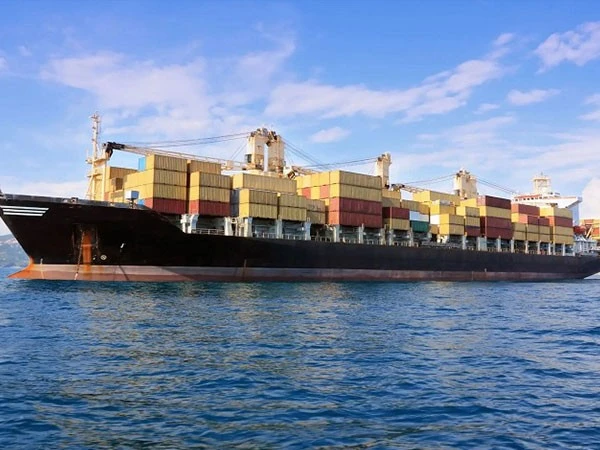
3. Implement Slow - Steaming
Slow - steaming is a simple yet effective strategy to reduce fuel consumption and emissions. By reducing the speed of the ship, the engine operates more efficiently, and less fuel is burned. A small reduction in speed can lead to a significant reduction in fuel consumption. For example, reducing the speed of a ship by 10% can result in a 25% reduction in fuel consumption.
However, slow - steaming also has some challenges. It can increase the transit time, which may not be suitable for all types of cargo. Therefore, it is important to balance the environmental benefits with the business requirements of our customers. We can work with our clients to determine the optimal speed for each shipment based on the type of cargo and the delivery schedule.
4. Improve Cargo Loading and Unloading
Efficient cargo loading and unloading operations can also contribute to a more environmentally friendly shipping process. By using advanced cargo handling equipment and techniques, we can reduce the time that ships spend in port. This not only reduces fuel consumption but also minimizes the emissions associated with idling in port.
For example, automated cargo handling systems can load and unload containers more quickly and accurately. These systems can also reduce the risk of damage to the cargo, which can lead to less waste. Additionally, proper stowage planning can ensure that the ship is loaded in a way that maximizes its stability and fuel efficiency.
5. Collaborate with Partners
Collaboration with other stakeholders in the shipping industry is essential for achieving environmental goals. We can work with port authorities, shipping lines, and other suppliers to implement sustainable practices. For example, we can participate in initiatives to improve the environmental performance of ports, such as reducing emissions from port equipment and promoting the use of renewable energy sources.
We can also collaborate with our customers to encourage them to choose more sustainable shipping options. By providing them with information about the environmental impact of different shipping methods, we can help them make more informed decisions. For example, we can offer incentives for customers to choose slower - but more environmentally friendly - shipping options.
6. Promote Green Supply Chain Management
As a shipping supplier, we can play a role in promoting green supply chain management. This involves working with our customers to ensure that the entire supply chain, from the production of goods in China to their delivery in Spain, is as environmentally friendly as possible.
We can encourage our customers to source materials from sustainable suppliers and to use packaging materials that are recyclable or biodegradable. Additionally, we can help them optimize their inventory management to reduce the need for excessive shipping. By working together, we can create a more sustainable supply chain that benefits both the environment and our business.
7. Invest in Research and Development
Investing in research and development is crucial for finding new and innovative ways to make shipping more environmentally friendly. We can support research projects that focus on developing new technologies, such as more efficient engines, alternative fuels, and advanced navigation systems.
For example, some research is being conducted on the use of hydrogen fuel cells in ships. Hydrogen is a clean and renewable energy source that can potentially replace traditional fuels. If successful, this technology could revolutionize the shipping industry and significantly reduce its environmental impact.
8. Educate and Train Employees
Finally, educating and training our employees is essential for implementing environmentally friendly practices. Our employees need to understand the importance of sustainability and how their actions can contribute to reducing the environmental impact of our shipping operations.
We can provide training programs on topics such as fuel efficiency, waste management, and environmental regulations. By empowering our employees with the knowledge and skills they need, we can ensure that they are actively involved in our efforts to make our China - Spain shipping more environmentally friendly.
In conclusion, making China - Spain shipping more environmentally friendly requires a comprehensive approach that involves optimizing shipping routes, upgrading ship technology, implementing slow - steaming, improving cargo loading and unloading, collaborating with partners, promoting green supply chain management, investing in research and development, and educating and training employees. By taking these steps, we can not only reduce the environmental impact of our shipping operations but also improve our competitiveness in the market.
If you are interested in our Electric Vehicle Shipping, China - Mexico Shipping Services or Global Professional Sea Freight Services, please feel free to contact us for procurement and negotiation. We are committed to providing you with high - quality and environmentally friendly shipping solutions.
References
- International Maritime Organization (IMO). (2023). Guidelines for the reduction of greenhouse gas emissions from ships.
- World Shipping Council. (2023). Environmental performance of the shipping industry.
- Marine Environment Protection Committee (MEPC). (2023). Regulations for the prevention of air pollution from ships.


