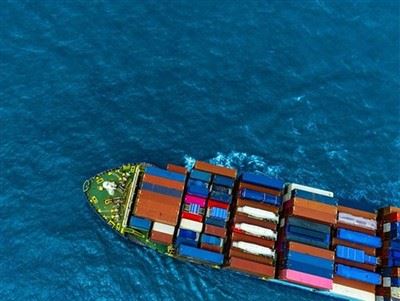


Hey there! I'm a supplier of China to Cuba DDP sea freight. As you might know, ensuring compliance with international regulations when shipping goods from China to Cuba via sea is super important. It not only helps us avoid legal troubles but also makes sure our customers' goods reach their destination smoothly. So, let's dive into how we can achieve that.
Understanding the Basics of DDP and International Regulations
First off, let's quickly go over what DDP means. DDP stands for Delivered Duty Paid. This means that as the supplier, I'm responsible for everything from shipping the goods from China to Cuba to paying all the duties and taxes in Cuba. It's a comprehensive service that gives my customers peace of mind, but it also comes with a lot of regulatory requirements.
International regulations for sea freight are a complex web of rules set by various organizations like the International Maritime Organization (IMO), World Trade Organization (WTO), and local customs authorities in both China and Cuba. These regulations cover everything from safety standards for cargo ships to import/export restrictions on certain goods.
Pre - Shipment Compliance Checks
Before we even load the goods onto the ship, there are several compliance checks we need to do.
Goods Classification
One of the first steps is to correctly classify the goods we're shipping. This is crucial because different types of goods have different import/export regulations. For example, some goods might be subject to special permits or restrictions in Cuba. We use the Harmonized System (HS) codes to classify the goods accurately. These codes are recognized internationally and help customs authorities determine the appropriate duties and taxes.
Documentation
Proper documentation is key to compliance. We need to prepare a bunch of documents, including the bill of lading, commercial invoice, packing list, and certificate of origin. The bill of lading is like a receipt for the goods and contains details about the shipment, such as the origin, destination, and quantity of the goods. The commercial invoice shows the value of the goods, which is used to calculate the duties and taxes. The packing list details what's inside each package, and the certificate of origin indicates where the goods were produced.
Sanitary and Phytosanitary Requirements
If we're shipping food, agricultural products, or other goods that might be subject to sanitary or phytosanitary regulations, we need to make sure they meet the requirements of both China and Cuba. This might involve getting certificates from relevant authorities to prove that the goods are safe for consumption or use.
Shipping Process Compliance
Once the goods are ready to be shipped, we need to ensure compliance during the shipping process.
Choosing the Right Shipping Line
Selecting a reliable shipping line is essential. We need to make sure the shipping line complies with all the international safety and environmental regulations. A good shipping line will have proper insurance and follow the IMO's guidelines for ship safety and pollution prevention.
Container Loading and Securing
The way we load and secure the goods in the containers is also important. We need to make sure the containers are properly sealed and that the goods are arranged in a way that prevents damage during transit. This not only protects the goods but also ensures the safety of the ship and its crew.
Tracking and Monitoring
We use advanced tracking systems to monitor the shipment's progress. This allows us to keep our customers informed and also helps us detect any potential issues early on. If there are any delays or problems, we can take immediate action to resolve them while ensuring compliance with all the regulations.
Customs Clearance in Cuba
When the goods arrive in Cuba, customs clearance is a critical step.
Working with Local Customs Brokers
We work closely with local customs brokers in Cuba. These brokers are experts in Cuban customs regulations and can help us navigate the complex clearance process. They can ensure that all the necessary documents are in order and that the goods meet all the import requirements.
Paying Duties and Taxes
As part of the DDP service, we're responsible for paying all the duties and taxes in Cuba. We need to calculate these accurately based on the value of the goods and the applicable tariff rates. This requires a good understanding of Cuban tax laws and regulations.
Dealing with Special Regulations and Restrictions
There are some special regulations and restrictions when shipping from China to Cuba.
Embargoes and Sanctions
Although the situation has been changing, there are still some sanctions and embargoes in place that we need to be aware of. We need to make sure that we're not shipping any goods that are prohibited under these sanctions.
Cultural and Historical Goods
If we're shipping cultural or historical goods, there are additional regulations to follow. These goods might require special permits and approvals from both Chinese and Cuban authorities.
Resources for Compliance
To stay updated on all the international regulations, we rely on several resources. We subscribe to industry newsletters and follow the official websites of organizations like the IMO and WTO. We also network with other freight forwarders and attend industry conferences to learn about the latest compliance requirements.
If you're interested in other shipping routes, you might want to check out these links: Cargo Ships Agent From China To Thailand, Cargo Ships Agent From China To Peru, and Professional FCL Shipping From France To Ports in China.
Conclusion
Ensuring the compliance of DDP sea freight from China to Cuba with international regulations is a complex but necessary process. By understanding the basics, doing pre - shipment checks, ensuring compliance during the shipping process, and handling customs clearance properly, we can provide a reliable and compliant service to our customers.
If you're looking for a China to Cuba DDP sea freight supplier, I'd love to have a chat with you. Whether you have questions about the shipping process, compliance requirements, or just want to get a quote, don't hesitate to reach out. Let's work together to get your goods to Cuba safely and legally.
References
- International Maritime Organization (IMO) official publications
- World Trade Organization (WTO) trade regulations
- Cuban customs regulations and guidelines
- Chinese export regulations and policies