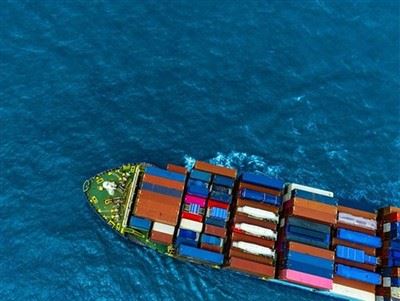


As a seasoned provider of international sea freight services, I understand the critical role that proper ventilation plays in ensuring the integrity and quality of cargo during transit. In this blog post, I'll share some insights and practical tips on how to ensure the proper ventilation of cargo in international sea freight containers.
Understanding the Importance of Ventilation
Ventilation is essential in sea freight containers for several reasons. First and foremost, it helps to control the temperature and humidity inside the container. Many types of cargo, such as perishables, electronics, and textiles, are sensitive to changes in temperature and humidity. Without proper ventilation, these conditions can lead to mold growth, condensation, and damage to the cargo.
Secondly, ventilation helps to remove odors and gases that may accumulate inside the container. Some cargoes, like chemicals, food products, and livestock, can emit harmful or unpleasant odors and gases. Adequate ventilation can prevent the buildup of these substances, ensuring a safe and healthy environment for the cargo.
Finally, proper ventilation can also help to prevent the formation of static electricity, which can be a hazard for certain types of cargo, such as flammable materials.
Factors Affecting Ventilation in Sea Freight Containers
Several factors can affect the ventilation of cargo in sea freight containers. These include:
- Container Design: The design of the container itself plays a significant role in ventilation. Some containers are equipped with built - in ventilation systems, such as vents and fans, while others rely on natural ventilation. The size and location of the vents can also impact the effectiveness of ventilation.
- Cargo Type: Different types of cargo have different ventilation requirements. For example, perishable goods may require more frequent and efficient ventilation to maintain their freshness, while dry goods may need less.
- Loading Pattern: The way the cargo is loaded into the container can affect ventilation. If the cargo is packed too tightly, it can block the vents and restrict the flow of air. On the other hand, if there is too much empty space, it can lead to uneven air distribution.
- Environmental Conditions: The external environmental conditions, such as temperature, humidity, and wind speed, can also influence the ventilation inside the container. For instance, in hot and humid climates, more ventilation may be required to prevent moisture buildup.
Strategies for Ensuring Proper Ventilation
1. Choose the Right Container
When selecting a container for your cargo, consider its ventilation capabilities. Look for containers with well - designed vents and, if possible, those equipped with mechanical ventilation systems. Some containers are specifically designed for certain types of cargo, such as refrigerated containers for perishables, which have advanced ventilation and temperature control features.
If you're interested in our China - Finland Sea Freight Service, we can provide you with the appropriate containers based on your cargo's ventilation needs.
2. Optimize the Loading Pattern
Proper loading is crucial for ensuring good ventilation. Leave enough space between the cargo and the container walls and floors to allow air to circulate. Avoid blocking the vents with cargo. You can use pallets and spacers to create channels for air flow.
For example, when loading boxes, stack them in a way that creates gaps for air to pass through. If you're shipping irregularly shaped items, arrange them to maximize the available space for ventilation.
3. Monitor and Control Temperature and Humidity
Use temperature and humidity sensors inside the container to monitor the conditions. If necessary, adjust the ventilation rate to maintain the optimal temperature and humidity levels for your cargo. For perishable goods, this may involve using a refrigerated container with precise temperature control and ventilation settings.
Our China - Thailand Shipping Services offer advanced monitoring and control systems to ensure the proper ventilation and environmental conditions for your cargo.
4. Clean and Maintain the Container
Before loading the cargo, make sure the container is clean and free of debris. Any dirt or dust can block the vents and reduce ventilation efficiency. Regularly inspect the container during transit to ensure that the ventilation system is working properly.
5. Consider the Route and Weather Conditions
Take into account the route and weather conditions during the journey. If the ship will pass through areas with extreme temperatures or high humidity, additional ventilation measures may be required. You can consult with our experts to plan the best ventilation strategy based on the specific route.
6. Use Ventilation Aids
In some cases, you may need to use additional ventilation aids, such as dehumidifiers or air purifiers. These can help to remove excess moisture and odors from the container, especially for sensitive cargo.
Special Considerations for Different Types of Cargo
Perishable Goods
Perishable goods, such as fruits, vegetables, and meat, require strict temperature and humidity control. Use refrigerated containers with proper ventilation to maintain the freshness of the cargo. The ventilation system should be able to exchange air at a sufficient rate to remove heat and moisture.
Our Sea Freight China To Nigeria Amazon FBA service is well - equipped to handle perishable goods, ensuring they reach their destination in optimal condition.
Electronics
Electronics are sensitive to moisture and temperature changes. Proper ventilation can prevent the formation of condensation, which can damage the electronic components. Use containers with dry air circulation systems and ensure that the cargo is well - protected from humidity.
Textiles
Textiles can be prone to mold growth if the humidity inside the container is too high. Adequate ventilation can help to keep the textiles dry and prevent the growth of mold. Consider using desiccants in addition to proper ventilation to absorb excess moisture.
Chemicals
Chemicals may emit hazardous gases, so proper ventilation is essential to ensure the safety of the cargo and the crew. Use containers with specialized ventilation systems designed to handle the specific chemicals being shipped. Follow all safety regulations and guidelines when shipping chemicals.
Conclusion
Ensuring the proper ventilation of cargo in international sea freight containers is a complex but essential task. By understanding the factors that affect ventilation, choosing the right container, optimizing the loading pattern, monitoring and controlling environmental conditions, and taking special considerations for different types of cargo, you can minimize the risk of damage and ensure the safe and successful transit of your goods.
If you're interested in our international sea freight services, including U.S. To China Export Shipping Services and Global International Express Service, we're here to help. Contact us to discuss your specific cargo requirements and let us assist you in planning the best ventilation strategy for your shipment.
References
- International Maritime Organization (IMO). Guidelines for the Safe Carriage of Cargoes and Containers.
- World Shipping Council (WSC). Best Practices for Containerized Cargo.
- American Society of Heating, Refrigerating and Air - Conditioning Engineers (ASHRAE). Standards for Temperature and Humidity Control in Shipping Containers.