


Hey there! I'm a supplier of China Frankfurt sea freight, and I know that one of the biggest headaches for businesses shipping goods from China to Frankfurt is the cost. High sea freight costs can eat into your profits and make it challenging to stay competitive in the market. But don't worry, I've got some practical tips and strategies that can help you reduce those costs.
1. Optimize Your Packaging
First off, let's talk about packaging. The way you package your goods can have a big impact on your sea freight costs. Bulky or irregularly shaped packages take up more space in the container, which means you'll end up paying more for shipping. So, try to use standardized packaging that fits neatly into containers. This way, you can maximize the use of space and reduce the number of containers you need.
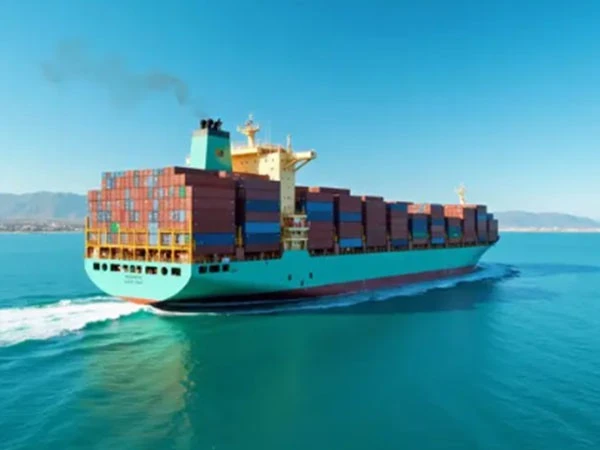

For example, if you're shipping small items, consider using smaller boxes or crates that can be stacked efficiently. And make sure to use lightweight materials for packaging to reduce the overall weight of your shipment. Every little bit helps when it comes to cutting down on costs.
2. Consolidate Your Shipments
Another great way to reduce sea freight costs is to consolidate your shipments. Instead of sending multiple small shipments, try to combine them into one larger shipment. This can significantly lower your per-unit shipping costs.
Let's say you have several orders going to the same destination in Frankfurt. By consolidating these orders into one container, you can take advantage of economies of scale. You'll pay less for shipping per item, and you'll also reduce the administrative costs associated with multiple shipments.
There are many freight forwarders who can help you with consolidation. They have the expertise and resources to group your goods with other shipments going to the same destination, making the process more cost-effective.
3. Choose the Right Shipping Route
The shipping route you choose can also affect your sea freight costs. Some routes are more expensive than others due to factors like distance, traffic, and port fees. Do some research to find the most cost-effective route for your shipment.
For instance, you might find that a slightly longer route with fewer port stops can be cheaper in the long run. This is because port fees can add up quickly, especially if you're making multiple stops. Additionally, consider the time of year when choosing a route. Some routes may be more congested during certain seasons, which can lead to higher costs.
4. Negotiate with Your Freight Provider
Don't be afraid to negotiate with your freight provider. Many suppliers are willing to offer discounts or better rates, especially if you're a regular customer or if you're shipping a large volume of goods.
Before you start negotiating, do your homework. Research the current market rates for sea freight from China to Frankfurt. This will give you a better idea of what a fair price is. When you approach your freight provider, be clear about your needs and expectations. Explain that you're looking for ways to reduce costs without sacrificing the quality of service.
You might also want to ask about any special promotions or incentives that the provider offers. Some companies offer volume discounts, loyalty programs, or reduced rates for off-peak shipping.
5. Plan Your Shipments in Advance
Planning your shipments in advance can save you a lot of money. Last-minute shipments often come with higher costs due to rush fees and limited availability. By planning ahead, you can take advantage of lower rates and better shipping options.
Create a shipping schedule and stick to it as much as possible. This will allow you to book your shipments in advance and avoid the high costs associated with last-minute bookings. Additionally, planning ahead gives you more time to prepare your goods for shipping, ensuring that everything is in order and reducing the risk of delays.
6. Consider Alternative Shipping Methods
In some cases, it might be worth considering alternative shipping methods. For example, if your goods are not time-sensitive, you could look into less-than-container load (LCL) shipping. LCL allows you to share a container with other shippers, which can be more cost-effective than shipping a full container.
Another option is to use a combination of sea and land transportation. For instance, you could ship your goods by sea to a nearby port and then transport them to Frankfurt by truck. This can sometimes be a more cost-effective solution, especially if the final destination is not directly accessible by sea.
7. Stay Informed about Market Trends
The sea freight market is constantly changing, and staying informed about market trends can help you make better decisions. Keep an eye on factors like fuel prices, currency exchange rates, and global economic conditions. These factors can all have an impact on sea freight costs.
You can subscribe to industry newsletters, follow freight market blogs, and attend trade shows to stay up-to-date on the latest trends. By being aware of market changes, you can adjust your shipping strategy accordingly and take advantage of opportunities to reduce costs.
8. Use Technology to Your Advantage
There are many technology tools available that can help you manage your sea freight shipments more efficiently. For example, you can use shipping management software to track your shipments in real-time, compare rates from different providers, and manage your inventory.
Some software also offers features like automated booking, document management, and analytics. These tools can help you streamline your shipping process, reduce errors, and save time and money.
9. Build a Good Relationship with Your Freight Provider
Building a good relationship with your freight provider is essential. A strong relationship can lead to better service, more favorable rates, and greater flexibility.
Communicate regularly with your provider and keep them informed about your shipping needs. Provide them with accurate information about your goods, including their weight, dimensions, and value. This will help them provide you with more accurate quotes and ensure that your shipments are handled properly.
In addition, be respectful and professional when dealing with your provider. A positive relationship can go a long way in getting the best possible service and rates.
10. Explore Other Options
If you're still struggling to reduce your sea freight costs, consider exploring other options. For example, you could look into China To Cuba Ddp Freight By Sea if you have shipments going to Cuba. Or, if you're shipping to Thailand and using Amazon warehouses, Sea Shipping From China To Thailand Amazon Warehouse might be a good option. You can also check out International Sea Freight for more general information and options.
In conclusion, reducing sea freight costs from China to Frankfurt requires a combination of careful planning, smart decision-making, and effective negotiation. By following these tips, you can significantly lower your shipping costs and improve your bottom line. If you're interested in learning more about how we can help you with your sea freight needs, feel free to reach out and start a conversation. We're here to help you find the most cost-effective solutions for your business.
References
- "The Basics of Sea Freight Shipping." International Trade Administration.
- "How to Reduce Shipping Costs." Small Business Administration.
- "Market Trends in Sea Freight." Freightos.