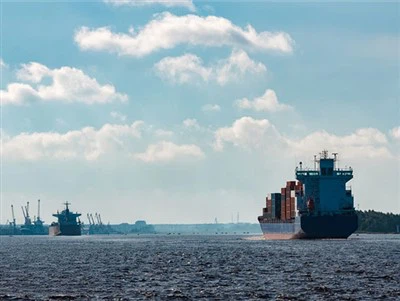


When it comes to sea freight from China to Frankfurt, customs classification rules play a crucial role in ensuring a smooth and compliant shipping process. As a China Frankfurt Sea Freight supplier, I have witnessed firsthand the significance of understanding these rules. In this blog, I will delve into the key aspects of customs classification for sea freight from China to Frankfurt, providing valuable insights for businesses and individuals involved in international trade.
Understanding Customs Classification
Customs classification is the process of assigning a specific code to a product based on its characteristics, composition, and intended use. This code, known as the Harmonized System (HS) code, is used by customs authorities worldwide to determine the applicable duties, taxes, and regulations for a particular product. The HS code system is a standardized international classification system that facilitates trade and ensures consistency in customs procedures.
Importance of Accurate Classification
Accurate customs classification is essential for several reasons. Firstly, it determines the amount of duties and taxes that will be levied on the imported goods. Incorrect classification can result in overpayment or underpayment of duties, which can have significant financial implications for businesses. Secondly, accurate classification helps customs authorities identify and regulate the import of certain goods, such as restricted or prohibited items. Failure to comply with these regulations can lead to delays, fines, or even the seizure of the goods. Finally, accurate classification is necessary for statistical purposes, as it provides valuable data on the volume and value of trade between countries.
Factors Affecting Customs Classification
Several factors can influence the customs classification of a product. These include the product's physical characteristics, such as its composition, size, and shape; its intended use; and the country of origin. For example, a product made of a specific material, such as steel or plastic, may be classified differently depending on its intended use. Similarly, a product that is imported for personal use may be subject to different regulations than a product that is imported for commercial purposes.

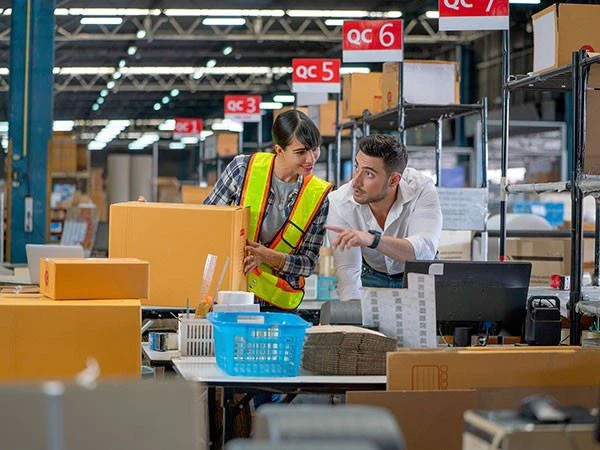
Classifying Goods for Sea Freight from China to Frankfurt
When classifying goods for sea freight from China to Frankfurt, it is important to follow the guidelines provided by the customs authorities in both countries. In China, the General Administration of Customs (GAC) is responsible for customs classification. The GAC has developed a detailed classification system based on the HS code system, which is used to determine the applicable duties and taxes for imported goods. In Germany, the Federal Customs Administration (Zoll) is responsible for customs classification. The Zoll also uses the HS code system, but may have additional regulations and requirements for certain products.
Steps to Classify Goods
To classify goods for sea freight from China to Frankfurt, the following steps can be followed:
- Identify the product: The first step is to identify the product that is being imported. This includes determining the product's name, description, and physical characteristics.
- Determine the HS code: Once the product has been identified, the next step is to determine the appropriate HS code. This can be done by referring to the HS code system, which is available online or in print. The HS code system is organized into chapters and headings, each of which corresponds to a specific type of product.
- Verify the classification: After determining the HS code, it is important to verify the classification with the customs authorities in both China and Germany. This can be done by submitting a classification request to the customs authorities, who will review the request and provide a ruling on the appropriate HS code.
- Prepare the necessary documentation: Once the classification has been verified, the next step is to prepare the necessary documentation for the shipment. This includes the commercial invoice, packing list, bill of lading, and any other documents required by the customs authorities.
- Submit the documentation: The final step is to submit the documentation to the customs authorities for clearance. The customs authorities will review the documentation and determine the applicable duties and taxes for the shipment.
Common Challenges in Customs Classification
While customs classification is a relatively straightforward process, there are several common challenges that businesses and individuals may face. These include:
- Complex products: Some products may be difficult to classify due to their complex nature or unique characteristics. In these cases, it may be necessary to seek the assistance of a customs broker or classification expert.
- Changing regulations: Customs regulations can change frequently, which can make it difficult to keep up with the latest requirements. It is important to stay informed about any changes in the regulations and to ensure that all shipments comply with the current requirements.
- Language barriers: In some cases, language barriers may make it difficult to communicate with the customs authorities in both China and Germany. It is important to ensure that all documentation is translated into the appropriate language and that any questions or concerns are clearly communicated.
- Incorrect classification: Incorrect classification can result in delays, fines, or even the seizure of the goods. It is important to ensure that all products are accurately classified and that the appropriate HS code is used.
Tips for Successful Customs Classification
To ensure a successful customs classification process, the following tips can be followed:
- Seek professional assistance: If you are unsure about how to classify a product, it is recommended to seek the assistance of a customs broker or classification expert. These professionals have the knowledge and experience to accurately classify products and ensure compliance with the customs regulations.
- Stay informed: It is important to stay informed about any changes in the customs regulations and to ensure that all shipments comply with the current requirements. This can be done by subscribing to industry newsletters, attending trade shows, and consulting with the customs authorities.
- Provide accurate information: When providing information about the product, it is important to be as accurate and detailed as possible. This includes providing the product's name, description, physical characteristics, and intended use.
- Keep records: It is important to keep accurate records of all shipments, including the HS code, the amount of duties and taxes paid, and any other relevant information. This will help to ensure compliance with the customs regulations and to provide documentation in the event of an audit.
Conclusion
Customs classification is a critical aspect of sea freight from China to Frankfurt. By understanding the customs classification rules and following the appropriate procedures, businesses and individuals can ensure a smooth and compliant shipping process. As a China Frankfurt Sea Freight supplier, I am committed to providing my customers with the highest level of service and support. If you have any questions or need assistance with customs classification, please do not hesitate to contact me. I would be happy to help you navigate the complex world of international trade and ensure that your shipments arrive at their destination safely and on time.
References
- General Administration of Customs of the People's Republic of China
- Federal Customs Administration of Germany
- Harmonized System (HS) Code System
If you are interested in our sea freight services from China to Frankfurt or have any other shipping needs, please feel free to reach out for procurement negotiations. We are ready to provide you with the best solutions tailored to your requirements.
For more information on related sea freight services, you can check out the following links: