


As a supplier in the China - Pakistan shipping industry, I've had the unique opportunity to closely examine the labor conditions in ports along this crucial shipping route. The China - Pakistan shipping corridor is not just a trade link; it's a bridge that fosters economic cooperation and cultural exchange between the two nations. In this blog, I will delve into the labor conditions in ports serving China - Pakistan shipping, exploring the challenges, improvements, and future prospects.
Current Labor Conditions
Workforce Deployment
Ports handling China - Pakistan shipping have a diverse workforce. From dockworkers responsible for loading and unloading cargo to skilled technicians maintaining the port's machinery and equipment, each role is vital for the smooth operation of the shipping process. In recent years, there has been a significant increase in the demand for labor due to the growth of trade volume between China and Pakistan. This has led to the recruitment of a larger workforce, both local and from other regions.

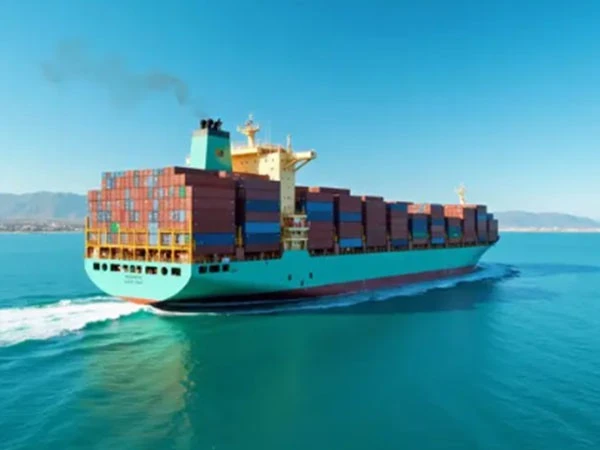
The deployment of labor is carefully planned to ensure maximum efficiency. For example, during peak shipping seasons, additional shifts are often arranged to handle the increased volume of cargo. Dockworkers are organized into teams, each with specific tasks such as container stacking, crane operation, and cargo inspection. This division of labor allows for a more streamlined and productive workflow.
Working Hours and Safety
The working hours in ports can be quite demanding. Dockworkers often work long shifts, especially during busy periods. However, efforts have been made to ensure that working hours are in line with labor regulations. In many ports, there are strict limits on the number of consecutive hours an employee can work, and regular breaks are provided to prevent fatigue.
Safety is a top priority in ports. Workers are required to wear appropriate safety gear, such as hard hats, safety shoes, and high - visibility vests. Regular safety training programs are conducted to educate workers about potential hazards and safety procedures. For example, crane operators receive specialized training on how to operate the equipment safely, and all workers are trained on fire safety and emergency response.
Wages and Benefits
Wages in ports handling China - Pakistan shipping vary depending on the type of work and the level of skill required. Skilled workers, such as crane operators and technicians, generally earn higher wages compared to unskilled laborers. In recent years, there has been an upward trend in wages, reflecting the growing importance of the shipping industry and the demand for skilled workers.
In addition to wages, workers also receive various benefits. These may include health insurance, paid leave, and retirement plans. Some ports also offer additional incentives, such as bonuses for meeting productivity targets or for working during holidays.
Challenges Faced
Technological Adaptation
The shipping industry is constantly evolving, with new technologies being introduced regularly. Ports need to keep up with these technological advancements to remain competitive. However, this can pose a challenge for the labor force. Many workers may not have the necessary skills or training to operate new equipment or use advanced software systems. For example, the implementation of automated container handling systems requires workers to have a certain level of technical proficiency.
To address this challenge, ports are investing in training programs to upskill their workforce. These programs aim to teach workers how to use new technologies effectively and safely. However, the process of training a large workforce can be time - consuming and costly.
Labor Shortages
Despite the increase in labor recruitment, there is still a shortage of skilled workers in some areas. This is particularly true for specialized roles, such as marine engineers and experienced dockworkers. The shortage of skilled labor can lead to delays in port operations and affect the overall efficiency of the shipping process.
One of the reasons for the labor shortage is the lack of interest in the shipping industry among the younger generation. Many young people prefer to pursue careers in other sectors, such as information technology or finance. To attract more young people to the industry, ports need to improve the working conditions and offer more attractive career prospects.
Environmental and Regulatory Compliance
Ports are subject to strict environmental and regulatory requirements. These requirements aim to protect the environment and ensure the safety of workers and the public. However, complying with these regulations can be challenging for ports, especially in developing countries.
For example, ports need to implement measures to reduce air and water pollution, such as using cleaner fuels and treating wastewater. They also need to comply with international safety and security regulations. Meeting these requirements often requires significant investment in infrastructure and technology, which can put pressure on the port's budget and labor force.
Improvements and Initiatives
Training and Development Programs
To address the issue of technological adaptation and labor shortages, ports are implementing comprehensive training and development programs. These programs are designed to provide workers with the skills and knowledge they need to perform their jobs effectively.
For example, some ports are partnering with local vocational schools and universities to offer specialized training courses in areas such as maritime technology, logistics management, and port operations. These courses not only help workers acquire new skills but also provide them with recognized qualifications, which can enhance their career prospects.
Automation and Digitalization
Automation and digitalization are transforming the shipping industry, and ports are no exception. Many ports are investing in automated equipment, such as automated guided vehicles (AGVs) and robotic cranes, to improve efficiency and reduce labor requirements.
Digitalization is also playing an important role in improving port operations. For example, the use of blockchain technology can enhance the transparency and security of the shipping process, while the implementation of smart port systems can optimize the flow of cargo and reduce waiting times.
International Cooperation
China and Pakistan are working together to improve the labor conditions in ports along the shipping route. Through international cooperation, the two countries can share best practices, resources, and expertise.
For example, China has extensive experience in port construction and management, and it can provide technical assistance and training to Pakistan. Pakistan, on the other hand, can offer local knowledge and support to ensure the smooth implementation of projects.
Future Prospects
The future of labor conditions in ports for China - Pakistan shipping looks promising. With the continuous growth of trade between the two countries, there will be more opportunities for employment in the shipping industry.
As technology continues to advance, the nature of work in ports will also change. Workers will need to adapt to new technologies and acquire new skills to remain competitive. However, this also presents an opportunity for workers to upgrade their skills and improve their earning potential.
In addition, the improvement of labor conditions will attract more young people to the industry, which will help to address the labor shortage issue. With better working conditions, higher wages, and more attractive career prospects, the shipping industry will become a more appealing option for the younger generation.
Contact for Procurement
If you are interested in our China - Pakistan shipping services or have any questions about the labor conditions in ports, please feel free to contact us for a procurement discussion. We are committed to providing high - quality shipping solutions and look forward to working with you.
References
- International Labour Organization. "Labour in the Maritime Sector: Global Report." Geneva, 2020.
- World Bank. "Logistics Performance Index." Washington, D.C., 2021.
- United Nations Conference on Trade and Development. "Review of Maritime Transport." New York and Geneva, 2022.
For more information on shipping services, you can visit the following links: China - UK Shipping, International Sea Freight, China - Thailand Shipping Services, Machinery Shipping Services, Reliable Global Ocean Shipping Solutions.