


Shipping chemicals from China to Spain involves a whole bunch of requirements, and as a China - Spain Shipping supplier, I've seen it all. In this blog, I'm gonna break down these requirements so you have a clear idea of what's needed when you're planning to ship chemicals between these two countries.
1. Regulatory Compliance
Chinese Regulations
First off, China has some strict rules for exporting chemicals. The Chinese government wants to make sure that hazardous chemicals are handled and shipped safely. You'll need to get the proper export licenses and permits from the relevant Chinese authorities. This usually means dealing with the General Administration of Customs of the People's Republic of China and the Ministry of Ecology and Environment.
For non - hazardous chemicals, the process is a bit less of a headache, but you still need to comply with the export declaration procedures. You have to provide accurate information about the chemical, like its name, composition, quantity, and intended use. If you don't, you might face some serious delays at the Chinese port.
Spanish Regulations
Spain also has its own set of regulations for importing chemicals. When the chemicals arrive in Spain, they'll go through customs clearance. The Spanish authorities will check if the chemicals meet their safety and environmental standards. They'll also look at the documentation to ensure that everything is in order.
The European Union's regulations also play a big part here. Since Spain is a member of the EU, chemicals imported from China need to comply with EU - wide regulations like REACH (Registration, Evaluation, Authorization and Restriction of Chemicals). This regulation aims to protect human health and the environment from the risks that can be posed by chemicals.
2. Packaging Requirements
Safety First
Chemicals are often dangerous, so proper packaging is a must. The packaging has to be strong enough to prevent any leaks or spills during the journey. It should also be able to withstand different environmental conditions, such as temperature changes and humidity.
For hazardous chemicals, the packaging must meet the requirements of the International Maritime Dangerous Goods (IMDG) Code if you're shipping by sea. This code provides detailed guidelines on how to package, label, and handle dangerous goods. You can't just throw chemicals into any old box; you need to use specialized containers that are designed for the specific type of chemical.
Labeling
Every package of chemicals should have clear labels. The labels need to show the name of the chemical, its hazards (if any), handling instructions, and emergency contact information. This helps the shipping company and the Spanish customs officials to handle the chemicals safely.
3. Documentation
Commercial Invoice
This is a basic but essential document. It shows the details of the transaction between the seller in China and the buyer in Spain. It includes the description of the chemicals, the quantity, the price, and the terms of sale.
Bill of Lading
If you're shipping by sea, the bill of lading is a crucial document. It serves as a receipt for the goods, a contract of carriage between the shipper and the carrier, and a document of title to the goods. There are different types of bills of lading, like the straight bill of lading and the order bill of lading, so make sure you choose the right one for your shipment.
Certificate of Origin
This document shows where the chemicals were produced. It's important for determining the applicable tariffs and trade preferences between China and Spain.

Safety Data Sheet (SDS)
For hazardous chemicals, a Safety Data Sheet is a must. It provides detailed information about the chemical's properties, hazards, safety precautions, and first - aid measures. This helps everyone involved in the shipping process to handle the chemicals safely.
4. Shipping Modes
Sea Freight
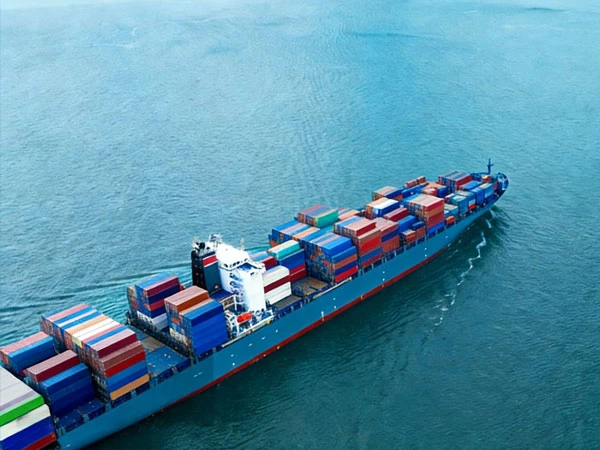
Sea freight is the most common way to ship chemicals from China to Spain. It's cost - effective for large - volume shipments. However, it takes longer compared to other shipping modes. When shipping by sea, you need to choose a reliable shipping line. You can find more about shipping solutions on our Shipping Solutions China To Vietnam DDP page.
Air Freight
Air freight is faster but more expensive. It's a good option for small - quantity, high - value, or time - sensitive chemical shipments. Keep in mind that there are also strict regulations for air freight of chemicals, especially hazardous ones.
5. Raw Materials and Special Considerations
If you're shipping raw chemical materials, there are additional things to consider. Some raw materials might be subject to special export or import restrictions. You can learn more about freight shipping of raw materials on our Freight Shipping Raw Materials page.
Moreover, if you're shipping to or from other countries, here are some useful links. For those interested in shipping between China and Canada, check out China - Canada Shipping. If you're looking to ship from China to a Thailand Amazon warehouse, Sea Shipping From China To Thailand Amazon Warehouse has the details. And for U.S. to China export shipping services, visit U.S. To China Export Shipping Services.
Let's Talk
Shipping chemicals from China to Spain is a complex process, but with the right knowledge and a reliable shipping partner, it can be smooth. If you're planning to ship chemicals and have any questions or need a quote, feel free to reach out. We're here to help you navigate through all these requirements and ensure your chemicals are shipped safely and efficiently.
References
- General Administration of Customs of the People's Republic of China official publications
- Ministry of Ecology and Environment of China guidelines
- Spanish customs regulations
- International Maritime Dangerous Goods (IMDG) Code
- European Union's REACH regulation


