


Hey there! As a supplier specializing in shipping from China to the US, I often get asked about the shipping frequency between these two big economies. It's a crucial question for businesses on both sides, whether you're a small startup looking to expand your market or a large corporation managing a complex supply chain.
Let's start by understanding the factors that influence shipping frequency. First off, the type of shipping method plays a huge role. There are mainly two options: sea freight and air freight.
Sea Freight
Sea freight is the go - to choice for most large - scale shipments. It's cost - effective, especially for bulky or heavy goods. But the shipping frequency can vary depending on the port of departure in China and the port of arrival in the US.
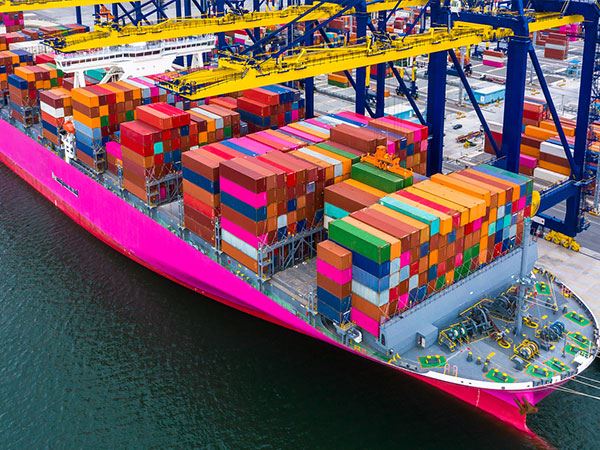
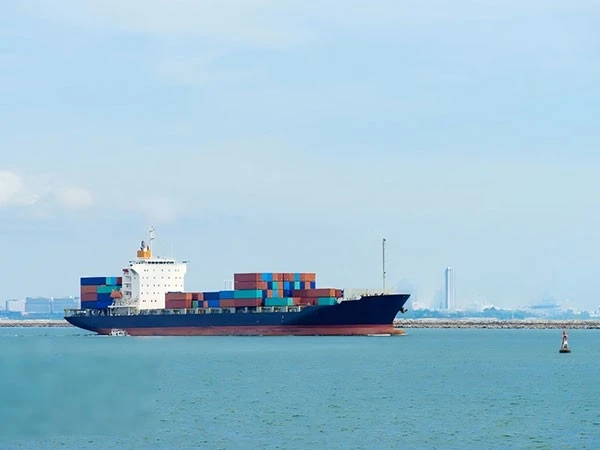
In China, major ports like Shanghai, Shenzhen, and Ningbo are bustling hubs. These ports have a high volume of traffic, and shipping lines usually offer regular sailings to the US. On average, you can expect a weekly or bi - weekly shipping frequency from these ports to major US ports such as Los Angeles, Long Beach, and New York.
However, it's not always that straightforward. The shipping frequency can be affected by the season. During peak seasons, like the holiday season when retailers are stocking up, the demand for shipping space skyrockets. Shipping lines might increase the frequency of their sailings to meet the demand. But in off - peak seasons, the frequency could be reduced.
Another factor is the type of container. Full - container loads (FCL) usually have a more regular shipping schedule compared to less - than - container loads (LCL). FCL shipments are dedicated to a single customer, so the shipping line can plan the sailings more efficiently. For LCL shipments, the shipping line needs to wait until there's enough cargo to fill a container, which can sometimes lead to longer waiting times.
If you're interested in other sea freight services, we also offer China To Australia Sea Freight Service. It's a great option for businesses looking to expand into the Australian market.
Air Freight
Air freight is much faster than sea freight, but it's also more expensive. It's ideal for high - value, time - sensitive goods like electronics, fashion items, and perishable products.
The shipping frequency for air freight is generally higher than sea freight. There are daily flights from major Chinese airports such as Beijing Capital International Airport, Shanghai Pudong International Airport, and Guangzhou Baiyun International Airport to major US airports like Los Angeles International Airport, San Francisco International Airport, and John F. Kennedy International Airport.
However, just like sea freight, air freight can also be affected by external factors. Bad weather conditions, especially during typhoon season in the Pacific or heavy snow in winter, can disrupt flight schedules. Also, airport congestion can lead to delays. Airlines might adjust their flight frequencies based on demand, so during peak business periods, you might see an increase in the number of flights.
If you're into the electric vehicle industry, we also provide Electric Vehicle Shipping. It's a specialized service that takes care of all the unique requirements for shipping electric vehicles.
Choosing the Right Shipping Frequency
So, how do you decide which shipping frequency is right for your business? It all comes down to your specific needs.
If you have a large quantity of non - urgent goods, sea freight with a regular (but perhaps slower) shipping frequency might be the best option. You can save a significant amount of money on shipping costs, and as long as you plan your inventory management well, the longer transit time won't be a problem.
On the other hand, if you're dealing with products that need to reach the market quickly, air freight with its high shipping frequency is the way to go. You'll pay more, but the fast delivery can give you a competitive edge, especially in industries where trends change rapidly.
We also offer Global Professional Sea Freight Services for those who need more comprehensive solutions. Whether you're shipping to other parts of the world or need help with customs clearance and documentation, our team can assist you.
Impact on Business Operations
The shipping frequency from China to the US has a profound impact on business operations. For manufacturers in China, a regular shipping frequency means they can plan their production schedules more effectively. They can produce goods in batches and know exactly when the shipments will leave the port.
For businesses in the US, a reliable shipping frequency is crucial for inventory management. If the shipping frequency is too low, they might run out of stock, which can lead to lost sales. On the other hand, if the shipping frequency is too high, they might end up with excess inventory, which ties up capital and incurs storage costs.
Working with a Supplier
As a shipping supplier, I understand the importance of providing accurate information about shipping frequency. We keep a close eye on the market and work with multiple shipping lines and airlines to ensure that we can offer the best possible shipping options for our clients.
We also help our clients with the entire shipping process, from packing and documentation to customs clearance. Our goal is to make the shipping experience as smooth as possible, so you can focus on growing your business.
If you're in the market for shipping services from China to the US, I'd love to have a chat with you. Whether you have questions about shipping frequency, costs, or any other aspect of the shipping process, feel free to reach out. We can have a detailed discussion about your specific needs and come up with a customized solution.
In conclusion, the shipping frequency from China to the US varies depending on the shipping method, season, and other factors. By understanding these factors and working with a reliable supplier, you can ensure that your goods are shipped in a timely and cost - effective manner.
References
- Shipping industry reports from major shipping lines
- Data from port authorities in China and the US
- Industry research on air and sea freight trends