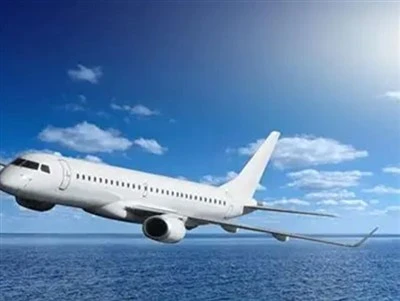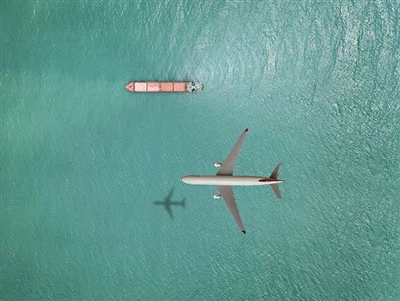

Air freight can be divided into express air freight and standard air freight (or standard express) based on timeliness and service level. The main differences are as follows:
1. Timeliness
Express Air Freight: Usually uses direct flights, with the shortest transit time (e.g., 1-3 days for international transport, 6-12 hours for domestic inter-provincial transport), suitable for urgent goods (e.g., contracts, fresh produce, medical supplies).
Standard Air Freight: May involve stopovers and transshipments, with slightly slower transit times (e.g., 3-7 days for international transport, 1-2 days for domestic transport), suitable for general goods with less stringent time requirements.
2. Transportation Method
Express Air Freight: Prioritizes direct flights, reducing transshipment and ensuring rapid arrival of goods.
Standard Air Freight: May use shared cargo or connecting flights, with lower costs but relatively longer transit times.
3. Price
Express Air Freight: Higher cost, typically 30%-50% more expensive than standard air freight, due to the use of priority cargo space.
Standard Air Freight: More economical, suitable for goods with limited budgets and acceptable longer transit times.
4. Applicable Scenarios
Express Air Freight: High-value, time-sensitive goods (e.g., electronic products, samples, urgent documents).
Standard Air Freight: Regular goods (e.g., general merchandise, spare parts, non-urgent supplies).