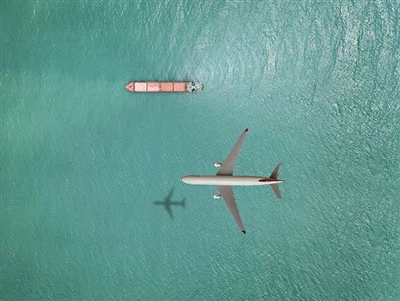

1. General Basic Protection Requirements
International air cargo packaging must meet basic protection standards for pressure resistance, shock resistance, and moisture protection. The outer packaging must use high-strength corrugated cardboard boxes, fumigated solid wood boxes, or plastic crates, capable of withstanding stacking pressure at least three times the weight of the cargo. Fragile or delicate goods must use suspended packaging, with buffer space between the goods and the outer packaging, filled with materials such as pearl cotton and bubble wrap to prevent damage during transport. Goods originating from humid areas or susceptible to moisture must be covered with a waterproof membrane and contain desiccants to prevent moisture intrusion.
2. Specialized Specifications for Special Categories
International air cargo has specific packaging requirements depending on its characteristics. Liquid cargo requires double-sealed containers with an outer leak-proof bag to prevent leakage and contamination; dangerous goods such as lithium batteries require dedicated UN-certified packaging with internal insulating partitions to prevent short circuits; fresh goods require insulated boxes with ice packs or dry ice to maintain a temperature-controlled environment, and seafood packaging must also have ventilation holes; high-value goods require impact-resistant aluminum boxes with customs seals and tamper-evident labels to ensure safe transport.
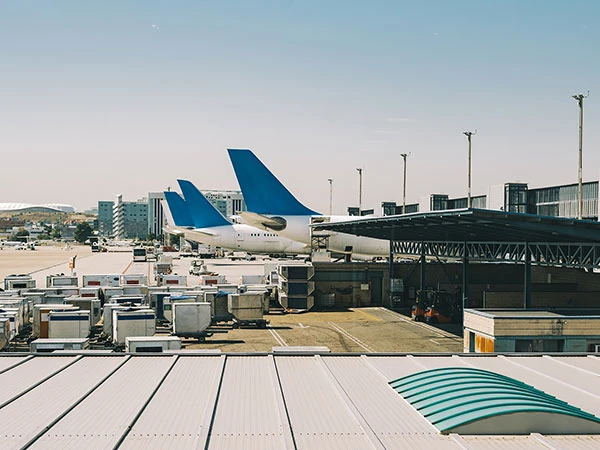
3. Size and weight compatibility requirements
Packaging dimensions and weight must conform to the cargo hold specifications of international air cargo. The sum of the length, width, and height of a single piece of cargo must comply with aircraft type restrictions: generally not exceeding 158 cm for narrow-body aircraft and not exceeding 203 cm for wide-body aircraft; the weight of a single piece should generally not exceed 80 kg. Overweight cargo must be palletized and marked with an overweight label. Confirm loading conditions with the airline in advance; it is recommended to consolidate small pieces of cargo to reduce the number of loose items and lower the risk of loss.
4. Labelling and Compliance Requirements
International air cargo packaging must be clearly and completely labeled with information, including the consignor and consignee information in both Chinese and English, destination, gross weight, and volume. Special cargo must have corresponding warning labels affixed, such as fragile, moisture-proof, and upside down. Labels must be firmly affixed and not easily detached. Wooden packaging must comply with the IPPC International Plant Protection Convention, have fumigation markings, and provide certificates. Packaging materials must be environmentally friendly and compliant, prohibiting the use of flammable or toxic materials, and must adhere to the general rules of the International Air Transport Association throughout the entire process.
more about international air cargo , please contact EVERSHIP GLOBAL LIMITED for further information. Our professional team is always ready to listen to your needs and provide you with tailored consultation and guidance.