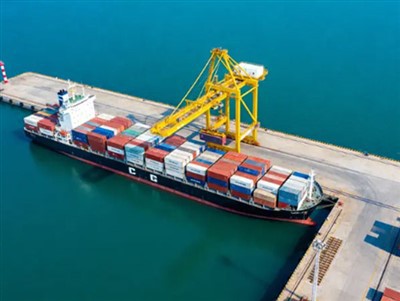


Hey there! As a supplier of China To Cuba Ddp Freight By Sea, I've dealt with my fair share of customs duties. It can be a real headache, but don't worry, I'm here to break it down for you.
Understanding Customs Duties
First things first, let's talk about what customs duties are. Customs duties are taxes imposed by the government of a country on goods that are imported or exported. When you're shipping goods from China to Cuba on a DDP (Delivered Duty Paid) basis, it means you, as the seller, are responsible for all costs and risks associated with getting the goods to the buyer, including customs duties.
The amount of customs duties you'll have to pay depends on a few factors. One of the main factors is the value of the goods. Cuba, like many other countries, uses the value of the goods to calculate the customs duty. The higher the value, the more you'll likely pay. Another factor is the type of goods. Some goods are subject to higher duties than others. For example, luxury items or goods that are considered to be a threat to local industries might have higher duties.
Researching Cuban Customs Regulations
Before you start shipping, it's crucial to do your homework on Cuban customs regulations. You can find a lot of information on the official Cuban customs website. Make sure you understand what goods are allowed to be imported, what the restrictions are, and what the duty rates are for different types of goods.
It's also a good idea to keep an eye on any changes in the regulations. Customs regulations can change over time, and you don't want to be caught off guard. For example, new tariffs might be introduced, or the rules for certain types of goods might change.
Classifying Your Goods Correctly
One of the most important things you need to do is classify your goods correctly. Each type of good has a specific Harmonized System (HS) code, which is an internationally recognized system for classifying traded products. The HS code determines the duty rate for your goods.
If you classify your goods incorrectly, you could end up paying too much or too little in customs duties. Paying too little can get you in trouble with the customs authorities, and you might have to pay penalties or additional duties. So, take the time to get the HS code right. You can use online resources or consult with a customs broker to help you with this.

Working with a Customs Broker
A customs broker can be a real lifesaver when it comes to dealing with customs duties. They have the knowledge and experience to navigate the complex world of customs regulations. A good customs broker can help you classify your goods correctly, fill out the necessary paperwork, and ensure that you're paying the right amount of duties.
When choosing a customs broker, look for someone who has experience with shipping from China to Cuba. They'll be familiar with the specific regulations and requirements of both countries. You can ask for recommendations from other suppliers or look for reviews online.
Calculating Customs Duties
Once you've classified your goods and determined the HS code, you can calculate the customs duties. The calculation can be a bit complicated, as it involves not only the basic duty rate but also other fees such as value-added tax (VAT) and excise duties.
The basic duty rate is usually a percentage of the value of the goods. For example, if the duty rate for your goods is 10% and the value of the goods is $1000, you'll have to pay $100 in basic duties. In addition to the basic duties, you might also have to pay VAT. The VAT rate in Cuba varies depending on the type of goods.
To calculate the total amount of customs duties, you need to add up the basic duties, VAT, and any other fees. You can use online calculators or consult with your customs broker to get an accurate estimate.
Document Preparation
Another important aspect of dealing with customs duties is document preparation. You need to provide accurate and complete documentation to the customs authorities. This includes the commercial invoice, packing list, bill of lading, and any other relevant documents.
The commercial invoice should include details such as the description of the goods, the quantity, the value, and the HS code. Make sure all the information is accurate and matches the actual goods being shipped. The packing list should show the contents of each package, which helps the customs officers to inspect the goods more easily.
Other Shipping Services
While we're on the topic of shipping, I also want to mention a few other related services. If you're interested in shipping to Vietnam, we offer China-Vietnam Shipping Services and Sea Freight China To Vietnam Amazon FBA. These services are designed to meet the specific needs of shipping to Vietnam, whether it's for general cargo or for Amazon FBA.
We also have Shipping Solutions China To Vietnam DDP, which is similar to our China to Cuba DDP service. And if you're in the business of shipping electric vehicles, we offer Electric Vehicle Shipping as well.
Reaching Out for Business
If you're interested in our China To Cuba Ddp Freight By Sea service or any of the other services I mentioned, don't hesitate to reach out. We're here to help you navigate the complex world of international shipping and make sure your goods reach their destination smoothly. Whether you're a small business owner or a large corporation, we have the solutions to meet your shipping needs. Contact us today to start a conversation about your shipping requirements.
References
- Cuban Customs Official Guidelines
- Harmonized System (HS) Code Manual
- International Shipping Regulations for China and Cuba