


As a dedicated China-Canada Shipping supplier, I've witnessed firsthand the dynamic nature of the shipping routes between these two economic powerhouses. In this blog, I'll explore the main shipping routes between China and Canada, shedding light on the intricacies of international trade and the factors that influence these vital connections.
The Pacific Route: The Primary Shipping Corridor
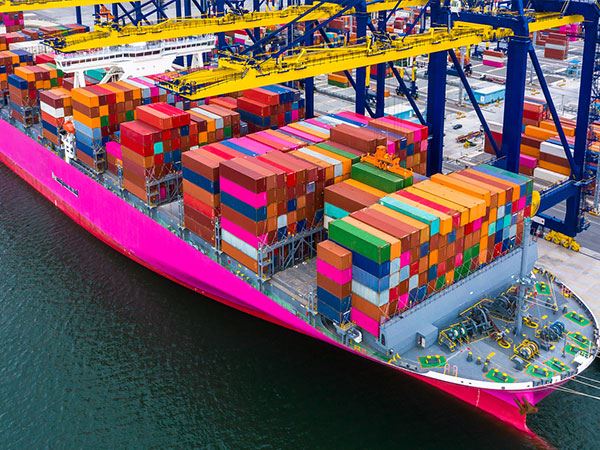
The most prominent shipping route between China and Canada is the Pacific route. This route involves vessels departing from major Chinese ports such as Shanghai, Ningbo, and Shenzhen and making their way across the vast Pacific Ocean to Canadian ports on the West Coast, including Vancouver, Prince Rupert, and Victoria.
The Pacific route is favored for several reasons. Firstly, it offers a relatively direct path, reducing transit times and minimizing the risk of delays. With modern container ships capable of traveling at high speeds, the journey from China to Canada can take as little as two to three weeks, depending on the specific ports of departure and arrival.
Secondly, the Pacific route benefits from well-established infrastructure and efficient port operations. Chinese ports are among the busiest in the world, equipped with state-of-the-art facilities for loading and unloading cargo. Similarly, Canadian ports on the West Coast have invested heavily in infrastructure to handle the increasing volume of trade with China.
The East Coast Route: An Alternative Option
In addition to the Pacific route, there is also an option to ship goods between China and Canada via the East Coast. This route involves vessels traveling through the Panama Canal and then making their way up the East Coast of North America to ports such as Halifax, Montreal, and Toronto.
The East Coast route is often chosen for its strategic advantages. It provides access to markets in Eastern Canada and the northeastern United States, which can be particularly beneficial for businesses looking to expand their reach. Additionally, the East Coast route can offer a more diverse range of shipping options, including different carriers and shipping schedules.
However, the East Coast route also has its challenges. The journey through the Panama Canal can be time-consuming and subject to congestion, especially during peak seasons. Additionally, the longer transit times and higher costs associated with this route may make it less attractive for some businesses.

Factors Influencing Shipping Routes
Several factors influence the choice of shipping routes between China and Canada. These factors include:
- Cargo Type: Different types of cargo have different requirements and preferences when it comes to shipping routes. For example, perishable goods such as fruits and vegetables may require a faster transit time and a more direct route, while bulk commodities such as coal and iron ore may be more flexible in terms of transit time and route.
- Cost: Shipping costs are a significant factor in the decision-making process. The cost of shipping can vary depending on factors such as the distance traveled, the type of cargo, the shipping method, and the carrier. Businesses need to carefully consider the cost-benefit analysis of different shipping routes to ensure they are getting the best value for their money.
- Market Demand: The demand for goods in different markets can also influence the choice of shipping routes. For example, if there is a high demand for Chinese goods in Western Canada, it may make more sense to use the Pacific route. On the other hand, if there is a high demand for Chinese goods in Eastern Canada, the East Coast route may be a better option.
- Infrastructure and Logistics: The availability of infrastructure and logistics services can also play a role in the choice of shipping routes. Ports with better facilities and more efficient operations can reduce transit times and costs, making them more attractive to businesses. Additionally, the availability of transportation options such as rail and trucking can also impact the overall logistics chain.
Our Services as a China-Canada Shipping Supplier
As a China-Canada Shipping supplier, we offer a comprehensive range of services to meet the needs of our clients. Our services include:
- Ocean Freight: We provide ocean freight services for both full container loads (FCL) and less than container loads (LCL). Our team of experts will work with you to determine the best shipping route and carrier for your cargo, ensuring that it arrives at its destination safely and on time.
- Customs Clearance: We handle all aspects of customs clearance, including documentation, duties, and taxes. Our experienced customs brokers will ensure that your cargo complies with all relevant regulations and requirements, minimizing the risk of delays and penalties.
- Warehousing and Distribution: We offer warehousing and distribution services in both China and Canada. Our warehouses are equipped with state-of-the-art facilities and security systems, ensuring that your cargo is stored safely and securely. We also provide distribution services to ensure that your cargo is delivered to its final destination in a timely and efficient manner.
- Cargo Insurance: We offer cargo insurance to protect your cargo against loss or damage during transit. Our insurance policies are tailored to meet the specific needs of your business, providing you with peace of mind and financial protection.
Conclusion
The shipping routes between China and Canada play a crucial role in the global economy. Whether you are a business looking to import or export goods between these two countries, it is important to understand the different shipping routes available and the factors that influence their choice. As a China-Canada Shipping supplier, we are committed to providing our clients with the highest level of service and support. If you are interested in learning more about our services or discussing your shipping needs, please contact us today. We look forward to working with you.
References
- Maritime Transport in Canada. (n.d.). Retrieved from https://www.transport.gc.ca/en/modes-transportation/maritime
- China's Shipping Industry. (n.d.). Retrieved from https://www.chinabriefing.com/news/chinas-shipping-industry/
- Shipping Routes and Trade. (n.d.). Retrieved from https://www.worldbank.org/en/topic/transport/publication/connecting-to-compete-2018-trade-logistics-in-the-global-economy
If you're interested in exploring more shipping options, you can check out Cargo Ships Agent From China To Peru, Freight Shipping Raw Materials, and Electric Vehicle Shipping. If you have any questions or would like to discuss your shipping requirements, feel free to reach out for a procurement discussion.


