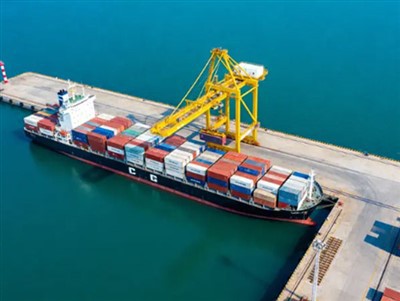


Hey there! I'm a supplier in the freight shipping of raw materials, and let me tell you, it's a wild ride. There are tons of challenges that come with getting raw materials from point A to point B. In this blog, I'm gonna break down some of the major hurdles we face in this industry.
Regulatory Hurdles
One of the biggest headaches in freight shipping raw materials is dealing with regulations. Different countries have their own sets of rules and requirements when it comes to importing and exporting raw materials. These regulations can cover everything from safety standards to environmental concerns.
For example, some countries have strict limits on the amount of certain chemicals or pollutants that can be present in raw materials. If your shipment doesn't meet these standards, it could get held up at customs or even rejected altogether. And let me tell you, customs clearance is no joke. It can be a long and complicated process, especially when you're dealing with multiple countries. That's where Ocean Freight Customs Clearance comes in handy. They can help you navigate through all the red tape and ensure that your shipment gets through customs smoothly.
Another regulatory challenge is dealing with trade agreements and tariffs. These can change frequently, and it can be hard to keep up. A sudden increase in tariffs can make your raw materials more expensive to ship, which can eat into your profit margins. You've got to stay on top of these changes and adjust your shipping strategies accordingly.
Logistics and Infrastructure
Logistics is another major challenge in freight shipping raw materials. You've got to figure out the best way to transport your goods, whether it's by sea, air, or land. Each mode of transportation has its own pros and cons.
Sea freight is often the most cost - effective option for shipping large quantities of raw materials. But it also comes with its own set of challenges. Shipping by sea takes longer than other methods, and there's always the risk of delays due to bad weather, port congestion, or mechanical issues with the ship. And let's not forget about the risk of damage to your goods during transit. That's why it's important to work with a reliable Sea Freight Forwarder Ddp China To Nigeria. They can help you choose the right shipping route, handle the paperwork, and ensure that your goods are properly protected.
Air freight, on the other hand, is much faster but also more expensive. It's a good option for high - value or time - sensitive raw materials. However, there are limitations on the size and weight of the shipments you can send by air. And you've got to deal with airport security and customs procedures, which can be just as complicated as sea freight.


Land transportation is also an option, especially for shipments within a country or region. But it can be affected by traffic, road conditions, and border crossings. You need to have a good understanding of the local transportation infrastructure and regulations to ensure a smooth delivery.
Supply Chain Disruptions
Supply chain disruptions are a constant threat in the freight shipping of raw materials. Natural disasters, political unrest, and labor strikes can all cause major problems. For example, a hurricane can disrupt shipping lanes, a political crisis can lead to border closures, and a labor strike at a port can bring the entire shipping process to a halt.
These disruptions can cause delays in the delivery of your raw materials, which can have a ripple effect on your production schedule. You might have to pay extra for expedited shipping or find alternative suppliers, which can increase your costs. It's important to have a contingency plan in place to deal with these situations. You can diversify your suppliers, keep extra inventory on hand, and stay in close contact with your shipping partners to stay informed about any potential disruptions.
Quality Control
Ensuring the quality of the raw materials during shipping is another challenge. Raw materials can be easily damaged or contaminated during transit. For example, if you're shipping food products, they need to be stored at the right temperature to prevent spoilage. If you're shipping chemicals, they need to be properly packaged and labeled to prevent leaks and spills.
You've got to have strict quality control measures in place to monitor the condition of your raw materials throughout the shipping process. This might involve using specialized packaging, temperature - controlled containers, and regular inspections. And you need to work with your shipping partners to make sure they're following the same quality standards.
Cost Management
Cost management is a crucial aspect of freight shipping raw materials. There are so many factors that can affect the cost of shipping, including fuel prices, shipping rates, and customs fees. You need to find ways to keep your costs down without sacrificing the quality of your service.
One way to do this is to negotiate better shipping rates with your carriers. You can also look for ways to optimize your shipping routes and consolidate your shipments. For example, if you're shipping multiple orders to the same destination, you can combine them into one shipment to save on shipping costs.
Another cost - saving measure is to take advantage of technology. There are many software solutions available that can help you manage your shipping operations more efficiently. These tools can help you track your shipments, compare shipping rates, and manage your inventory.
Market Fluctuations
The market for raw materials is constantly changing. Prices can go up and down based on supply and demand, geopolitical factors, and other economic conditions. These market fluctuations can have a big impact on your business.
If the price of a raw material suddenly increases, it can make your products more expensive to produce. You might have to pass these costs on to your customers, which could affect your sales. On the other hand, if the price of a raw material drops, you might be able to increase your profit margins. But you also need to be careful not to over - stock on raw materials in case the price goes back up.
To deal with market fluctuations, you need to stay informed about the latest market trends and have a flexible pricing strategy. You can also consider hedging your bets by entering into long - term contracts with your suppliers or customers.
Communication and Coordination
Effective communication and coordination are essential in freight shipping raw materials. You need to be in constant contact with your suppliers, carriers, and customers to ensure that everything is going smoothly.
This means keeping everyone informed about the status of your shipments, any delays or issues, and any changes to the shipping schedule. You also need to be able to respond quickly to any problems that arise. For example, if there's a delay at a port, you need to be able to communicate this to your customers and come up with a plan to minimize the impact.
In addition, you need to coordinate with different parties involved in the shipping process, such as customs brokers, freight forwarders, and terminal operators. Everyone needs to be on the same page to ensure a seamless shipping experience.
Conclusion
As you can see, there are many challenges in freight shipping raw materials. But with the right strategies and partners, you can overcome these challenges and ensure the smooth and efficient delivery of your goods. Whether you're shipping raw materials from China to Nigeria, or from China to Colombia, Sea Freight Forwarder Ddp China To Nigeria and China - Colombia Shipping can provide the support you need.
If you're in the market for raw material shipping services, I'd love to talk to you. We can discuss your specific needs and come up with a customized solution that works for you. Let's work together to make your shipping process as hassle - free as possible.
References
- International Maritime Organization (IMO) regulations
- World Trade Organization (WTO) trade agreements
- Various industry reports on freight shipping and raw material markets