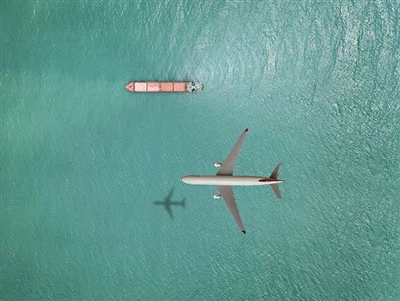

Ocean freight is a method of transporting large quantities of goods using shipping vessels. Goods are loaded into containers and then onto the ship. In fact, 90% of all goods are transported by sea. The main reasons for the increasing popularity of ocean freight are as follows:
Low freight costs: Ocean freight is relatively inexpensive, mainly due to its large transport capacity and long distances, resulting in lower transportation costs per ton of cargo. Ocean freight is one of the most economical international shipping options.
Large carrying capacity: Ocean freight can handle oversized, heavy, or bulky cargo, including large vehicles, equipment, and building materials. The carrying capacity of ocean-going vessels far exceeds that of rail and road transport vehicles.
High safety: Ships are designed for the safe transport of dangerous materials and goods. Ocean freight is proficient in handling such cargo and has established comprehensive regulations to ensure the safety of ships, crew, cargo, and the environment. Containers are designed to keep cargo sealed and locked during transport, further enhancing the safety of freight.
High adaptability: Ocean-going vessels can adapt to various transport needs. Many ships are now specifically designed to meet cargo needs, such as multi-purpose vessels and specialized ships, providing conditions for the transportation of different types of goods.
In general, international maritime transport has advantages such as large transport capacity, low freight rates, strong adaptability, and good security, making it an indispensable and important part of international trade. For bulk cargo transportation, maritime transport offers a high level of security and greater product inclusiveness. Although the transportation time is relatively slow, it can save on logistics costs.