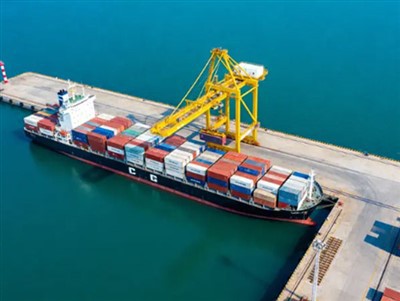


Alright, as a sea freight supplier, I've been thinking a lot about how we can make sea freight more sustainable. It's not just a buzzword; it's a real necessity for our planet and our industry's future. Let's dive into some practical ways we can achieve this.
1. Fuel Efficiency Improvement
One of the biggest contributors to the environmental impact of sea freight is fuel consumption. Ships burn a massive amount of fuel, emitting tons of greenhouse gases. So, improving fuel efficiency should be at the top of our list.
Newer ship designs are a great start. Modern ships are being built with more streamlined hulls, which reduce drag and allow them to move through the water more easily. This means they use less fuel to cover the same distance. For example, the use of air lubrication systems, which create a layer of air bubbles under the ship's hull, can further reduce friction.
Another way is to optimize shipping routes. With the help of advanced weather forecasting and navigation technology, we can plan routes that take advantage of favorable ocean currents and winds. This not only saves fuel but also reduces the transit time. For instance, if a ship can catch a strong current in the right direction, it can move faster with less engine power.
We also need to invest in alternative fuels. Biofuels, for example, can be produced from renewable sources like algae or waste cooking oil. These fuels can be used in existing engines with little to no modification and have a much lower carbon footprint compared to traditional fossil fuels. Electric and hybrid ships are also on the horizon. Although they're still in the early stages of development, they have the potential to revolutionize the industry. For instance, short - haul feeder ships could be powered by electricity, reducing emissions in coastal areas.
2. Cargo Optimization
Efficient use of cargo space is another key aspect of sustainable sea freight. When ships are not fully loaded, they're essentially wasting fuel and resources. As a sea freight supplier, I always try to work with shippers to maximize the use of container space.
We can use better packing techniques. For example, using custom - sized pallets or containers can help fit more goods into a given space. Also, advanced software can be used to plan the stowage of cargo in a container, ensuring that every inch is utilized.
Consolidation of cargo is also important. Instead of sending multiple small shipments, we can group them together into one larger shipment. This reduces the number of trips and the overall fuel consumption. For example, if several small businesses in one area are shipping to the same destination, we can combine their goods into a single container.
3. Emissions Reduction Technologies
To make sea freight more sustainable, we need to adopt technologies that can reduce emissions at the source. Scrubbers are one such technology. These devices are installed on ships to remove pollutants like sulfur oxides from the exhaust gases. They work by spraying a liquid into the exhaust stream, which reacts with the pollutants and removes them.
Selective catalytic reduction (SCR) systems can also reduce nitrogen oxide emissions. SCR systems work by injecting a urea - based solution into the exhaust stream. The solution reacts with the nitrogen oxides, converting them into harmless nitrogen and water.


In addition, ship owners can invest in exhaust gas recirculation (EGR) systems. These systems take a portion of the exhaust gases and send them back into the engine's combustion chamber. This reduces the formation of nitrogen oxides during combustion.
4. Circular Economy in Shipping
The shipping industry can also play a part in the circular economy. Instead of the traditional linear model of "take, make, dispose," we can adopt a circular approach.
For example, at the end of a ship's life, instead of scrapping it in an unregulated way, we can ensure that parts are recycled. Steel, copper, and other valuable materials can be recovered and reused. This not only reduces waste but also conserves natural resources.
We can also encourage the use of reusable shipping containers. Instead of discarding them after a single use, they can be repaired and reused multiple times. This reduces the need for new container production, which is energy - intensive.
5. Collaboration and Information Sharing
No single entity can make sea freight sustainable on its own. We need to collaborate with other players in the industry, such as shipping lines, ports, and shippers.
Shipping lines can work together to share data on fuel consumption, emissions, and best practices. This information sharing can help everyone learn from each other and implement more sustainable measures. For example, a shipping line that has successfully implemented a new fuel - saving technology can share its experience with others.
Ports also have a role to play. They can provide incentives for ships that meet certain environmental standards, such as reduced emissions or the use of alternative fuels. For instance, ports can offer discounted berthing fees for sustainable ships.
Shippers can also be involved by choosing more sustainable shipping options. By demanding transparency on emissions and sustainable practices from sea freight suppliers, they can drive the industry towards a more sustainable future.
Now, as a sea freight supplier, I'm always looking to offer more sustainable solutions to my clients. If you're interested in shipping services, we've got a range of options. You can check out Shipping Between China and South America, U.S. To China EXW Full - Service Logistics, Ocean Freight Customs Clearance, China - Brazil Shipping, and International Cargo By Sea.
If you're looking to source sea freight services and want to discuss how we can make your shipping more sustainable, feel free to reach out and let's start a conversation.
References
- "Sustainable Shipping: Trends and Challenges" - International Maritime Organization
- "The Future of Fuel in Shipping" - DNV GL
- "Circular Economy in the Maritime Sector" - World Economic Forum