

Hey there! I'm a supplier in the China - Brazil Shipping business. Over the years, I've witnessed firsthand how infrastructure construction can have a huge impact on our shipping routes and operations. In this blog, I'll share my insights on how infrastructure developments are shaping the China - Brazil shipping industry.
Upgrades at Chinese Ports
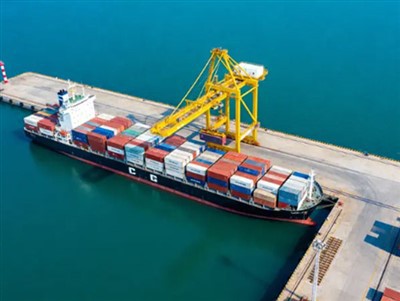
China has been on a roll with major infrastructure overhauls at its ports. Ports like Shanghai, Ningbo - Zhoushan, and Shenzhen are constantly expanding and modernizing. New berths are being built, and the existing ones are getting deeper to accommodate larger vessels. This is a game - changer for us China - Brazil shipping suppliers.
Larger ships mean more cargo can be transported in a single trip, which cuts down on the number of voyages needed. It's like being able to fit more stuff in your car in one go instead of making multiple trips. This not only reduces the cost per unit of cargo but also speeds up the overall shipping process. For example, the new deep - water berths can handle ultra - large container ships that can carry thousands of TEUs (twenty - foot equivalent units).
Moreover, the advanced port handling equipment, such as high - tech cranes, has significantly improved the loading and unloading efficiency. In the past, it could take days to load or unload a large vessel. Now, with the new infrastructure, the same job can be done in a matter of hours. This quick turnaround time allows ships to get back on the route faster, making the entire supply chain more efficient. If you're interested in similar sea freight services, you can check out Sea Freight China To Southeast Asia Amazon FBA.
Brazil's Port Development
In Brazil, ports like Santos and Paranaguá are also seeing important infrastructure upgrades. These improvements are necessary to keep up with the increasing trade volume between China and Brazil. The Brazilian government has recognized the potential of the China - Brazil trade relationship and has been investing in expanding port facilities, improving road connectivity, and enhancing storage capacities.
Better road connections between the ports and the interior of Brazil mean that goods can be transported more easily to and from the ports. This is crucial because a large part of Brazil's exports, such as soybeans and iron ore, come from the inland regions. With improved infrastructure, the time and cost of transporting these goods to the ports have been reduced.
In addition, the expansion of storage areas at the ports allows for better inventory management. We don't have to worry as much about congestion or delays due to lack of space for storing goods. This stability in the port operations has made the shipping process more reliable for us as China - Brazil shipping suppliers. If you're looking into China - Brazil shipping specifically, China - Brazil Shipping has more detailed information.
Inland Waterways and Rail Improvements
In both China and Brazil, improvements in inland waterways and rail networks are also having an impact on China - Brazil shipping. In China, the Yangtze River Economic Belt development strategy has led to better - maintained and expanded inland waterways. This means that goods from the central and western parts of China can be transported more cost - effectively to the coastal ports for export to Brazil.
Similarly, in Brazil, the development of rail networks is connecting the agricultural and mining regions in the interior to the coastal ports. By using rail to transport goods instead of relying solely on trucks, the cost and environmental impact are reduced. It also allows for a larger volume of goods to be moved in a single shipment.
This integrated transportation network (inland waterways, rail, and sea) is creating a more seamless supply chain. Goods can be transferred smoothly between different modes of transport, reducing the risks of damage and delays. If you're interested in other shipping routes, China - Egypt Shipping Services and China - Malaysia Shipping are also worth exploring.
Impact on Shipping Routes and Time
All these infrastructure improvements have led to the optimization of shipping routes and a reduction in shipping time. With better - equipped ports and more efficient inland transportation, we can choose the most cost - effective and time - saving routes.
For example, some shipping lines have started to use new routes that take advantage of the improved port facilities in both countries. These new routes may be shorter or have fewer stops, which means the transit time from China to Brazil has been significantly reduced. In the past, a shipment could take up to 40 days. Now, with the infrastructure upgrades, it can take as little as 30 days in some cases.
This reduction in shipping time is a huge advantage for both suppliers and buyers. Suppliers can get their products to the market faster, and buyers can receive their orders in a more timely manner. It also helps to reduce the inventory holding cost for both parties. If you're involved in shipping to Amazon warehouses in Southeast Asia, Sea Shipping From China To Southeast Asia Amazon Warehouse provides relevant details on that service.
Challenges Despite Infrastructure Growth
Even with all these positive impacts, there are still some challenges. In some cases, the infrastructure development may not be evenly distributed. For example, while the major ports in both China and Brazil are getting better, some smaller ports may still lack the necessary facilities. This can lead to congestion at the major ports as all the shipping traffic tends to concentrate there.
Another challenge is the high cost of infrastructure development. Although the long - term benefits are clear, the initial investment can be a burden on both the government and private investors. There may also be regulatory and bureaucratic hurdles that slow down the infrastructure projects.
Future Outlook
Looking ahead, I'm really optimistic about the future of China - Brazil shipping. With continuous infrastructure development, I believe the shipping industry between the two countries will become even more efficient and cost - effective.


New technologies, such as smart ports and autonomous vessels, are also likely to be introduced in the coming years. These technologies will further improve the efficiency and safety of the shipping process.
Let's Connect
If you're in the market for China - Brazil shipping services or want to discuss how infrastructure construction might impact your shipping needs, I'm here to help. Whether you're a small business looking to expand your exports to Brazil or a large corporation seeking to optimize your supply chain, we can work together to find the best shipping solutions. Don't hesitate to reach out for a procurement discussion.
References
- Port of Shanghai Annual Report
- Santos Port Authority Reports
- China's National Development and Reform Commission Infrastructure Projects Updates
- Brazilian Ministry of Transport Infrastructure Development Documents