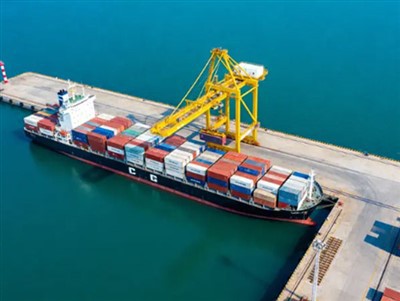


The shipping industry is a complex and dynamic field, with various factors influencing the movement of goods across the globe. One such significant factor is the shipping season, which can have a profound impact on China - Malaysia shipping. As a China - Malaysia Shipping supplier, I have witnessed firsthand how the shipping season affects our operations and the overall trade between these two countries.
Understanding the Shipping Season
The shipping season is not a fixed concept; it is influenced by a multitude of factors, including weather conditions, global trade cycles, and market demand. In the context of China - Malaysia shipping, the shipping season can be broadly divided into peak and off - peak periods.
Peak seasons are typically characterized by high demand for shipping services. This often coincides with major festivals and shopping seasons in both China and Malaysia. For example, in China, the Chinese New Year is a significant event that leads to a surge in production and export activities before the holiday. Manufacturers rush to ship their products overseas to meet the pre - holiday demand. In Malaysia, festivals like Hari Raya Aidilfitri also drive up consumer demand, leading to increased imports from China.
During peak seasons, shipping companies experience a higher volume of bookings. This increased demand can lead to several challenges. Firstly, there is a shortage of available shipping space. Shipping containers become scarce, and shippers often have to book in advance to secure space on vessels. This can result in higher freight rates as shipping companies can charge a premium due to the high demand.
Secondly, port congestion becomes a major issue. Ports in both China and Malaysia are often overwhelmed with a large number of vessels and containers. This can cause delays in loading and unloading operations, leading to longer transit times. Shippers may also face additional charges for demurrage (fees for keeping containers at the port for an extended period) and detention (fees for using containers beyond the allotted free time).
On the other hand, off - peak seasons are characterized by lower demand for shipping services. There is more available shipping space, and freight rates tend to be more competitive. Port congestion is also less of an issue, which means that transit times are generally shorter. However, during off - peak seasons, shipping companies may reduce the frequency of their services to cut costs. This can limit the options available to shippers and may require them to plan their shipments more carefully.
Impact on China - Malaysia Shipping Operations
As a China - Malaysia Shipping supplier, the shipping season has a direct impact on our day - to - day operations. During peak seasons, we have to work closely with our clients to ensure that their shipments are booked in advance. We also need to be proactive in finding alternative shipping solutions in case of space shortages.
For example, if a client needs to ship a large volume of goods during the peak season and there are no available containers on a direct vessel, we may suggest transshipment options. Transshipment involves transferring the goods from one vessel to another at an intermediate port. While this may increase the transit time slightly, it can be a viable solution to ensure that the goods are shipped on time.
In addition, we need to manage the expectations of our clients regarding transit times. During peak seasons, it is common for shipments to experience delays due to port congestion. We communicate these potential delays to our clients in advance and provide them with regular updates on the status of their shipments.
Another aspect that is affected by the shipping season is the cost of shipping. During peak seasons, the higher freight rates can significantly increase the cost of shipping for our clients. To mitigate this, we work with our clients to find cost - effective solutions. For example, we may suggest consolidating smaller shipments into larger ones to take advantage of economies of scale.
During off - peak seasons, we focus on attracting new clients by offering competitive rates. We also use this time to strengthen our relationships with existing clients by providing them with value - added services. For example, we may offer free storage for a limited period or provide additional insurance coverage at a discounted rate.


Market Trends and Shipping Season
The shipping season also has an impact on market trends in the China - Malaysia trade. During peak seasons, the increased demand for shipping services can lead to a rise in the prices of goods. This is because the higher cost of shipping is often passed on to the consumers. As a result, consumers in Malaysia may experience higher prices for Chinese products during peak seasons.
On the other hand, during off - peak seasons, the lower cost of shipping can make Chinese products more competitive in the Malaysian market. This can lead to an increase in demand for Chinese goods, which in turn can boost the trade between the two countries.
Moreover, the shipping season can also influence the types of goods that are shipped between China and Malaysia. During peak seasons, there is often a higher demand for consumer goods, such as electronics, clothing, and toys. These goods are typically associated with festivals and shopping seasons. During off - peak seasons, there may be a greater focus on industrial goods, such as machinery and raw materials.
Strategies for Dealing with the Shipping Season
To effectively deal with the challenges and opportunities presented by the shipping season, we as a China - Malaysia Shipping supplier have developed several strategies.
Firstly, we maintain a close relationship with shipping lines and port operators. This allows us to stay informed about the latest shipping schedules, available space, and any potential disruptions. By having this information, we can better plan our clients' shipments and make informed decisions.
Secondly, we invest in technology to improve our operational efficiency. For example, we use a transportation management system (TMS) to track shipments in real - time. This allows us to provide our clients with accurate information about the status of their shipments and helps us to identify and resolve any issues quickly.
Thirdly, we offer a range of value - added services to our clients. These services include customs clearance, warehousing, and insurance. By providing these services, we can offer a one - stop solution for our clients and make the shipping process more convenient for them.
Looking Ahead
The shipping industry is constantly evolving, and the impact of the shipping season on China - Malaysia shipping is likely to change in the future. With the growth of e - commerce and the increasing demand for faster delivery times, there will be a greater need for more efficient shipping solutions.
In addition, environmental concerns are also becoming increasingly important in the shipping industry. There is a growing trend towards the use of more sustainable shipping methods, such as the use of alternative fuels and the implementation of energy - efficient technologies. As a China - Malaysia Shipping supplier, we need to adapt to these changes and find ways to incorporate sustainable practices into our operations.
If you are interested in learning more about our China - Malaysia shipping services or have any questions regarding shipping during different seasons, we encourage you to [initiate a procurement discussion]. We are committed to providing you with the best shipping solutions tailored to your specific needs.
In conclusion, the shipping season has a significant impact on China - Malaysia shipping. As a supplier, we need to be aware of these impacts and develop strategies to deal with the challenges and opportunities presented by different seasons. By doing so, we can ensure the smooth flow of goods between China and Malaysia and contribute to the growth of bilateral trade.
References
- "Shipping Industry Trends and Outlook" - International Maritime Organization
- "China - Malaysia Trade Statistics" - Ministry of Commerce of the People's Republic of China
- "The Impact of Seasonal Demand on Shipping" - Journal of Shipping Economics and Logistics
Please note that for more information on related shipping services, you can visit the following links: