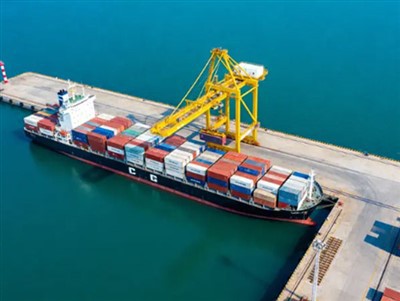


As a supplier in the China - Colombia shipping business, handling damaged goods is a crucial aspect that can significantly impact customer satisfaction and business reputation. In this blog, I will share some practical strategies and steps to effectively manage damaged goods during the shipping process between China and Colombia.
Understanding the Causes of Damaged Goods
Before delving into the handling methods, it's essential to understand the common causes of damaged goods in China - Colombia shipping. These can include improper packaging, rough handling during transit, adverse weather conditions, and mechanical failures of the shipping vessels or vehicles.
Improper packaging is one of the leading causes of damaged goods. If the products are not packed securely, they are more likely to be damaged during transportation. For example, fragile items such as glassware or electronics need to be packed with appropriate cushioning materials to prevent breakage.


Rough handling during transit can also lead to damage. This can occur at various stages, including loading and unloading, as well as during the journey itself. Shipping companies may not always handle the goods with the utmost care, especially when dealing with a large volume of shipments.
Adverse weather conditions, such as storms or heavy rains, can also pose a risk to the goods. Moisture can seep into the packaging and damage the products, especially if they are not waterproof. Additionally, strong winds and rough seas can cause the shipping containers to shift, leading to collisions and damage.
Mechanical failures of the shipping vessels or vehicles can also result in damaged goods. For instance, if the refrigeration system in a container fails, perishable goods may spoil.
Steps to Handle Damaged Goods
1. Inspection upon Receipt
Upon receiving the goods at the destination in Colombia, it's crucial to conduct a thorough inspection. This should be done as soon as possible to identify any visible damage. The inspection should include checking the packaging for signs of tampering, such as broken seals or tears. If the packaging is damaged, it's likely that the goods inside may also be affected.
2. Document the Damage
Once the damage is identified, it's important to document it thoroughly. Take clear photos of the damaged goods and the packaging from multiple angles. Include details such as the date, time, and location of the inspection. This documentation will be essential when filing a claim with the shipping company or insurance provider.
3. Notify the Shipping Company
As soon as the damage is discovered, notify the shipping company immediately. Provide them with the details of the damage, including the documentation you have collected. The shipping company should be able to provide guidance on the next steps, such as filing a claim.
4. File a Claim
If the damage is significant, it may be necessary to file a claim with the shipping company or insurance provider. Follow the claim process carefully and provide all the required documentation. This may include the bill of lading, the packing list, the photos of the damaged goods, and any other relevant information.
5. Communicate with the Customer
Keep the customer informed about the situation. Explain what has happened and what steps are being taken to resolve the issue. This will help to maintain a good relationship with the customer and minimize the impact of the damage on their business.
Preventive Measures
1. Proper Packaging
Invest in high - quality packaging materials and ensure that the products are packed securely. Use appropriate cushioning materials for fragile items and seal the packages properly. Consider using custom - made packaging if necessary to provide the best protection for the goods.
2. Choose a Reliable Shipping Company
Select a shipping company with a good reputation for handling goods carefully. Research the company's track record and read reviews from other customers. A reliable shipping company is more likely to take the necessary precautions to ensure the safe transportation of the goods.
3. Insurance Coverage
Consider purchasing insurance for the goods during transit. This will provide financial protection in case of damage or loss. Make sure to understand the terms and conditions of the insurance policy and ensure that it covers the specific risks associated with China - Colombia shipping.
Special Considerations for Different Types of Goods
1. Electric Vehicles
Electric vehicles require special handling during shipping. They are large, heavy, and contain sensitive electronic components. When shipping electric vehicles from China to Colombia, it's important to ensure that they are properly secured and protected. You can learn more about Electric Vehicle Shipping.
2. General Goods for the US Market
If you are also involved in shipping goods from China to the US, there are specific regulations and requirements to consider. For more information on Shipping From China To US.
3. Goods for Vietnam
When shipping goods from China to Vietnam, there are unique aspects to consider, such as customs regulations and shipping routes. You can find more details about China - Vietnam Shipping Services.
Conclusion
Handling damaged goods during China - Colombia shipping requires a proactive approach. By understanding the causes of damage, taking preventive measures, and following the proper steps when damage occurs, you can minimize the impact on your business and maintain good relationships with your customers.
If you are interested in our China - Colombia shipping services or have any questions about handling damaged goods, feel free to contact us for a detailed discussion and procurement negotiation. We are committed to providing high - quality shipping solutions and ensuring the safe delivery of your goods.
References
- International Maritime Organization (IMO) guidelines on shipping safety and cargo handling.
- Customs regulations of China and Colombia.
- Industry best practices for packaging and shipping different types of goods.