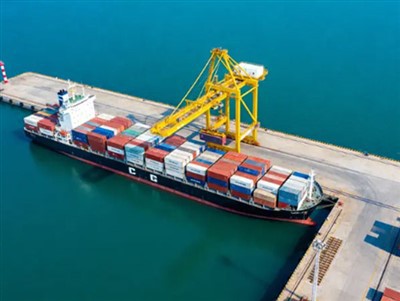


Hey there! As a supplier in the multimodal transportation business, I've seen firsthand how crucial it is to optimize these networks. Multimodal transportation, which combines different modes of transport like road, rail, sea, and air, offers a lot of benefits. But it also comes with its fair share of challenges. So, let's dive into how we can make these networks work better.
Understanding the Basics
First off, we need to understand what multimodal transportation is all about. It's not just about using different modes of transport; it's about integrating them in a way that's efficient, cost - effective, and reliable. For example, we might use a truck to pick up goods from a factory, then transfer them to a train for long - distance transport, and finally use another truck to deliver them to the customer.
The key here is to find the right balance between the different modes. Each mode has its own advantages and disadvantages. Trucks are great for last - mile delivery, but they can be expensive for long - distance hauls. Trains are more cost - effective for large volumes over long distances, but they lack the flexibility of trucks. Ships are ideal for transporting large quantities of goods across the ocean, while planes are the fastest option for urgent deliveries.
Analyzing the Current Network
Before we can optimize our multimodal transportation network, we need to take a good look at what we've got. This means analyzing the routes, the modes of transport used, and the costs involved. We can use data analytics to understand things like traffic patterns, transit times, and fuel consumption.
For instance, if we notice that a particular route has a lot of traffic congestion, we might consider using a different mode of transport or changing the route altogether. Or, if we find that a certain mode of transport is costing us too much, we can look for ways to reduce those costs.
Improving Connectivity
One of the biggest challenges in multimodal transportation is ensuring seamless connectivity between different modes of transport. This means having well - designed transfer points where goods can be easily moved from one mode to another.
For example, ports need to have efficient loading and unloading facilities to transfer goods between ships and trucks or trains. Rail yards should be connected to major roads and industrial areas to make it easy to move goods in and out. And airports need to have proper handling facilities for air cargo.
We also need to make sure that the information systems are integrated. This allows us to track the movement of goods in real - time, which is crucial for managing the network effectively. For example, we can use GPS tracking to monitor the location of trucks and trains, and use electronic data interchange (EDI) to share information between different parties in the supply chain.
Cost Optimization
Cost is always a major factor in any transportation network. To optimize costs in a multimodal network, we need to look at several aspects.
First, we can negotiate better rates with carriers. This might involve long - term contracts or volume - based discounts. We can also look for ways to reduce fuel consumption. For example, using more fuel - efficient vehicles or optimizing routes to reduce the distance traveled.
Another way to save costs is to consolidate shipments. By combining multiple small shipments into one large shipment, we can reduce the overall cost per unit. This is especially effective when using modes of transport like trains and ships, which are more cost - effective for large volumes.
Sustainability
In today's world, sustainability is becoming increasingly important. Multimodal transportation can play a big role in reducing the environmental impact of shipping.
For example, using trains and ships instead of trucks for long - distance transport can significantly reduce carbon emissions. We can also invest in more fuel - efficient vehicles and alternative fuels. And by optimizing the network to reduce empty miles (when a vehicle is traveling without a load), we can further reduce the environmental footprint.
Customer Service
At the end of the day, our customers are the most important part of our business. To optimize our multimodal transportation network, we need to focus on providing excellent customer service.
This means being able to provide accurate delivery times, real - time tracking, and reliable service. We need to communicate effectively with our customers, keeping them informed about the status of their shipments. And we should be able to handle any issues or complaints quickly and efficiently.
Real - World Examples
Let's take a look at some real - world examples of how multimodal transportation networks can be optimized.
If you're interested in Multimodal Transport Services From China To The United States, you'll see how different modes of transport are combined to get goods from China to the US. Goods might be loaded onto a ship in a Chinese port, then transferred to a train or truck in the US for final delivery.
Another example is Sea Freight & Air Cargo Shipping From China To Canada. Here, sea freight might be used for large, non - urgent shipments, while air cargo is used for smaller, time - sensitive items.
And Sea, Air & Cargo Freight Services offer a comprehensive solution that combines different modes of transport to meet the diverse needs of customers.
Conclusion
Optimizing a multimodal transportation network is a complex but rewarding task. By understanding the basics, analyzing the current network, improving connectivity, optimizing costs, focusing on sustainability, and providing excellent customer service, we can create a more efficient and effective network.


If you're in the market for multimodal transportation services, I'd love to have a chat with you. We can discuss your specific needs and see how we can optimize your supply chain. Let's work together to make your transportation more efficient, cost - effective, and sustainable.
References
- Notteboom, T., & Rodrigue, J. P. (2005). Port regionalization: Towards a new phase in port development. Maritime Policy & Management, 32(3), 297 - 313.
- Slack, B., Comtois, C., & Hall, P. (2010). The geography of transport systems. Routledge.
- Crainic, T. G., & Laporte, G. (1997). Fleet management and logistics. Springer Science & Business Media.