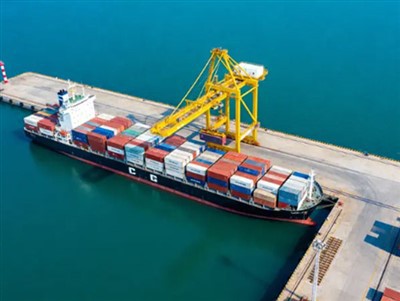


In the dynamic world of international trade, sea freight stands as a cornerstone, facilitating the movement of a vast majority of the world's goods. As a seasoned sea freight supplier, I've witnessed firsthand the remarkable evolution of this industry. Today, I'll delve into the emerging trends that are reshaping sea freight, offering insights into how these trends might impact your business and how we, as a supplier, are poised to adapt and innovate.


1. Digitalization and Automation
The digital revolution has firmly taken hold of the sea freight industry. In the past, the process of booking shipments, tracking cargo, and managing documentation involved a labyrinth of manual procedures. Today, digital platforms and automation are streamlining these processes, making them faster, more efficient, and less error - prone.
For instance, online booking systems have become the norm. Our clients can now book shipments with just a few clicks, eliminating the need for lengthy phone calls and paperwork. These platforms also provide real - time data on vessel schedules, available space, and freight rates, enabling more informed decision - making.
Automation extends to container handling at ports. Automated cranes and robotic vehicles are replacing manual labor in many terminals. This not only increases the speed of loading and unloading but also enhances safety. Our company has been quick to embrace these digital and automated solutions, ensuring that our operations are as seamless as possible. By leveraging the latest technologies, we can offer our clients Professional Sea Freight Shipping Service that are more reliable and cost - effective.
2. Sustainability Initiatives
Sustainability has emerged as a critical trend in the sea freight industry. As concerns about climate change grow, there is increasing pressure on shipping companies to reduce their carbon footprint. The International Maritime Organization (IMO) has set ambitious targets to cut greenhouse gas emissions from ships by at least 50% by 2050 compared to 2008 levels.
To meet these goals, many shipping lines are investing in new, more fuel - efficient vessels. These ships are designed with advanced hull shapes, energy - saving engines, and other features that reduce fuel consumption and emissions. Additionally, alternative fuels such as liquefied natural gas (LNG), biofuels, and hydrogen are being explored as potential replacements for traditional heavy fuel oil.
Our company is committed to sustainability. We are working with shipping partners that are at the forefront of these initiatives. By choosing our services, clients can contribute to a more sustainable supply chain. For example, our China - Australia Sea Freight Service is increasingly being offered on vessels that are more environmentally friendly, helping our clients meet their own sustainability goals.
3. E - commerce Growth and Changing Cargo Patterns
The explosive growth of e - commerce has had a profound impact on sea freight. With more consumers shopping online, there has been a significant increase in the volume of small - parcel shipments. This has led to a shift from traditional bulk cargo to more diverse and smaller - sized shipments.
To accommodate this change, sea freight suppliers are adapting their services. We are now seeing the rise of less - than - container - load (LCL) shipments, which allow multiple shippers to share a container. This is particularly beneficial for small and medium - sized enterprises (SMEs) that may not have enough volume to fill an entire container.
Our company has recognized the potential of the e - commerce market. We offer flexible solutions for LCL shipments, ensuring that even the smallest businesses can access cost - effective sea freight services. Whether you're shipping from China to the UK with our China - UK Shipping service or exploring opportunities in the Mexican market with our China - Mexico Shipping Services, we have the expertise to handle your e - commerce - related cargo.
4. Geopolitical and Trade Policy Changes
Geopolitical tensions and trade policy changes have a direct impact on sea freight. Tariffs, trade agreements, and political unrest can disrupt supply chains and change the flow of goods. For example, the US - China trade war led to significant shifts in trade routes and sourcing strategies.
As a sea freight supplier, we closely monitor these developments. We work with our clients to develop contingency plans and adapt to changing trade policies. Our in - depth knowledge of international trade regulations allows us to offer alternative shipping routes and solutions when faced with geopolitical challenges. For businesses involved in maritime shipping between the United States and China, our Maritime Shipping Business From The United States To China service is designed to navigate the complexities of this trade relationship.
5. Supply Chain Resilience
The COVID - 19 pandemic exposed the vulnerabilities of global supply chains. Lockdowns, port closures, and labor shortages disrupted the flow of goods, leading to significant delays and increased costs. In response, there is now a greater emphasis on supply chain resilience.
Companies are looking to diversify their sourcing locations, build up inventory buffers, and develop more flexible supply chain strategies. As a sea freight supplier, we play a crucial role in helping our clients build resilient supply chains. We offer end - to - end visibility of shipments, allowing clients to track their cargo in real - time and make adjustments as needed. Our ability to quickly adapt to unforeseen circumstances, such as port closures or vessel diversions, ensures that our clients' goods reach their destinations on time.
Conclusion
The sea freight industry is in a state of constant evolution, driven by digitalization, sustainability, e - commerce growth, geopolitical changes, and the need for supply chain resilience. As a sea freight supplier, we are committed to staying ahead of these trends. By leveraging the latest technologies, promoting sustainability, and offering flexible solutions, we can provide our clients with the best possible service.
If you're looking for a reliable sea freight partner to navigate these emerging trends and meet your shipping needs, we invite you to reach out. Our team of experts is ready to work with you to develop customized solutions that fit your business requirements. Whether you're a large corporation or a small start - up, we have the experience and resources to support your international trade endeavors.
References
- International Maritime Organization (IMO). (2023). IMO Strategy on Reduction of Greenhouse Gas Emissions from Ships.
- World Trade Organization (WTO). (2023). World Trade Report.
- Statista. (2023). E - commerce Market Outlook.