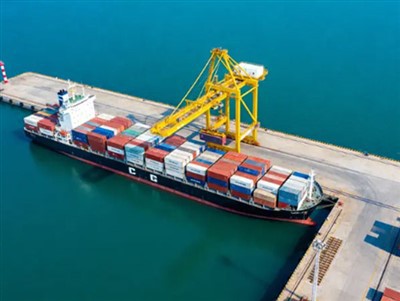


As a long - established China - Malaysia shipping supplier, I've witnessed the dynamic growth of trade between these two nations over the years. Shipping security, a cornerstone of our business, is of paramount importance in facilitating seamless and reliable trade between China and Malaysia. In this blog, I'll delve into the comprehensive security measures we have in place to ensure the safety of goods, vessels, and the people involved in the shipping process.
1. Pre - shipment Security Screening
- Cargo Inspection: Before any shipment sets sail from Chinese or Malaysian ports, a rigorous inspection process is initiated. We work closely with customs authorities and certified inspection agencies. Each container is X - rayed and physically inspected to detect any prohibited items, such as weapons, drugs, or hazardous materials that do not comply with international shipping regulations. This not only safeguards the safety of the vessel and its crew but also ensures that the goods entering either country meet all legal requirements.
- Shipper Verification: We conduct in - depth background checks on all our shippers. This involves verifying their business licenses, ensuring their compliance with trade laws, and reviewing their past shipping records. By working with reliable shippers, we can significantly reduce the risks associated with fraudulent activities and the transport of illegal goods. This process also helps us build long - term, trust - based relationships with our partners in the supply chain.
2. Vessel Security
- Navigation and Surveillance Systems: Our vessels are equipped with state - of - the - art navigation and surveillance systems. Global Positioning System (GPS) technology allows us to track the real - time location of vessels at all times. Additionally, Automatic Identification System (AIS) is installed on each ship, which provides information about the vessel's identity, speed, course, and other vital details. This data is shared with relevant maritime authorities and can be used to monitor the vessel's movement and ensure its safety.
- On - board Security Personnel: To further enhance security, we deploy trained security personnel on our vessels. These professionals are well - versed in maritime security procedures, including anti - piracy measures and emergency response protocols. They conduct regular patrols of the ship, monitor CCTV cameras, and are prepared to take action in case of any security threats.
3. Port Security
- Access Control: Ports in both China and Malaysia have strict access control measures in place. Only authorized personnel and vehicles are allowed entry into the port area. Security personnel check identification cards and conduct background checks on all individuals entering the port. This helps prevent unauthorized access and the potential for security breaches.
- Monitoring and Surveillance: Ports are equipped with an extensive network of surveillance cameras, radar systems, and sensors. These technologies continuously monitor the port area, including docks, storage yards, and waterways. Any suspicious activity can be detected immediately, allowing security teams to respond quickly and effectively.
4. Cybersecurity
In today's digital age, cybersecurity is a critical aspect of shipping security.


- Secure IT Systems: Our company has invested heavily in secure IT infrastructure. All our systems are protected by firewalls, intrusion detection systems, and encryption technologies. This ensures that sensitive data, such as shipping schedules, cargo details, and customer information, are kept safe from cyber - attacks.
- Employee Training: We provide regular training to our employees on cybersecurity best practices. This includes raising awareness about phishing attacks, password management, and the importance of keeping software up - to - date. By equipping our staff with the necessary knowledge and skills, we can minimize the risk of cyber - related security incidents.
5. Supply Chain Security
- Transport Security: Throughout the shipping process, we pay close attention to the security of the supply chain. Goods are transported in sealed containers, and the seals are regularly inspected to ensure their integrity. In case of any signs of tampering, immediate action is taken, including notifying the relevant authorities and conducting a thorough investigation.
- Partner Collaboration: We collaborate closely with other partners in the supply chain, such as freight forwarders, customs brokers, and terminal operators. By sharing information and coordinating security measures, we can create a more secure and efficient shipping environment. For example, we work with freight forwarders to ensure proper handling of goods during transit and with customs brokers to expedite the customs clearance process while maintaining security standards.
6. Collaboration with International Organizations
- Compliance with International Regulations: We strictly comply with international shipping regulations set by organizations such as the International Maritime Organization (IMO) and the World Customs Organization (WCO). These regulations establish global standards for maritime security, including requirements for vessel security planning, crew training, and cargo security. By adhering to these standards, we not only ensure the safety of our operations but also contribute to the overall security of the international shipping industry.
- Participation in Security Initiatives: Our company actively participates in various international security initiatives. We collaborate with other shipping companies, governments, and international organizations to share information about security threats and best practices. This collective effort helps us stay ahead of emerging security risks and develop effective countermeasures.
7. Risk Assessment and Management
- Regular Risk Assessments: We conduct regular risk assessments to identify potential security threats and vulnerabilities in our shipping operations. This involves analyzing factors such as geopolitical situations, weather conditions, and the nature of the cargo. Based on these assessments, we develop contingency plans to address any potential risks.
- Continuous Improvement: We are committed to continuous improvement in our security measures. By learning from past incidents and industry best practices, we regularly update our security protocols and invest in new technologies to enhance the safety of our shipping services.
Connecting with Other Shipping Routes
If you're interested in other shipping routes, we also offer China - Thailand Shipping Services, Freight Shipping Between China and Bangladesh, Ocean Shipping China To Nigeria, and China - Finland Sea Freight Service. Additionally, for more information on Ocean Freight Loading, our services have got you covered.
Conclusion
The security measures we have in place for China - Malaysia shipping are comprehensive and multi - faceted. From pre - shipment screening to post - arrival verification, we leave no stone unturned in ensuring the safety of every shipment. These measures not only protect the interests of our customers but also contribute to the smooth flow of trade between China and Malaysia.
If you're looking for a reliable China - Malaysia shipping supplier with top - notch security measures, we'd be delighted to work with you. We encourage you to reach out for a detailed consultation and to discuss your specific shipping needs. Our team of experts is ready to provide you with customized solutions and ensure a secure and efficient shipping experience.
References
- International Maritime Organization (IMO). "International Ship and Port Facility Security (ISPS) Code."
- World Customs Organization (WCO). "SAFE Framework of Standards to Secure and Facilitate Global Trade."
- Various official port authorities' documents and regulations in China and Malaysia.