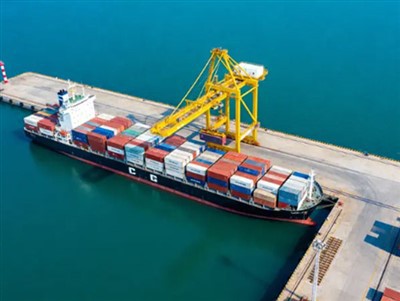


Measuring the success of a multimodal transportation project can be a bit of a tricky task. As a multimodal transportation supplier, I've seen firsthand the challenges and rewards that come with these complex projects. In this blog post, I'm going to share my thoughts on how you can effectively measure the success of a multimodal transportation project.


1. Cost - Efficiency
One of the most obvious ways to measure the success of a multimodal transportation project is by looking at the cost. After all, businesses are always looking to save money. When it comes to multimodal transportation, there are many potential cost - saving opportunities. For example, by combining different modes of transport such as sea, air, and land, we can often find more cost - effective routes.
We need to compare the actual costs of the multimodal project with the initial budget. If we are able to keep the costs under budget, it's a good sign. But it's not just about the overall cost. We also need to look at the cost per unit of cargo. For instance, if we are transporting 1000 units of a product and the total cost is $10,000, the cost per unit is $10. Comparing this cost per unit with industry benchmarks or previous projects can give us a clear idea of how well we're doing.
Another aspect of cost - efficiency is the cost of any unforeseen events. In a multimodal project, there can be delays, customs issues, or equipment failures. If we can manage these events without incurring excessive costs, it shows that our project is well - planned and executed.
As a supplier, I always keep an eye on these cost metrics because I know that my clients are very sensitive to costs. You can find more detailed information about cost - efficiency in multimodal transportation in this Multimodal Transportation: Full Guide To Combined Global Logistics.
2. Delivery Time
In the world of logistics, time is money. The ability to deliver goods on time is crucial for the success of a multimodal transportation project. We need to set clear delivery time targets at the beginning of the project and then track how well we meet them.
There are many factors that can affect delivery time in a multimodal project. Weather conditions, traffic on the roads, and congestion at ports are just a few examples. But a successful project manager should be able to anticipate these problems and come up with contingency plans.
We can measure delivery time by looking at the on - time delivery rate. This is the percentage of shipments that are delivered within the agreed - upon time frame. A high on - time delivery rate is a strong indicator of a successful project.
For instance, if we have 50 shipments in a project and 45 of them are delivered on time, the on - time delivery rate is 90%. Clients are more likely to be satisfied with our services if we can consistently achieve a high on - time delivery rate. To learn more about how to optimize delivery time in cross - border situations, check out Optimized Cross - Border Supply Chain Solutions.
3. Cargo Integrity
The safety and integrity of the cargo are of utmost importance. When goods are being transported through multiple modes of transport, there is always a risk of damage, loss, or theft. So, measuring the percentage of undamaged cargo is an essential part of evaluating the success of a multimodal transportation project.
We need to have strict inspection procedures in place at every transfer point between different modes of transport. This way, we can quickly identify any damage and take appropriate action. If the percentage of damaged cargo is very low, it means that our handling and transportation processes are well - managed.
For example, if we transport 2000 boxes and only 20 of them are damaged, the damage rate is 1%. A low damage rate not only saves money for our clients but also enhances our reputation as a reliable supplier. You can find more insights on how to ensure cargo integrity in Optimized Global Logistics Solutions.
4. Customer Satisfaction
At the end of the day, our customers are the ones who matter the most. Measuring customer satisfaction is a qualitative but very important way to gauge the success of a multimodal transportation project.
We can collect customer feedback through surveys, phone calls, or face - to - face meetings. Questions about the overall service experience, communication, and problem - solving can give us a good understanding of how satisfied our customers are.
Positive feedback, repeat business, and referrals are all signs of high customer satisfaction. If our customers are happy with our services, they are more likely to continue working with us and recommend us to others. As a supplier, I always strive to go the extra mile to meet my customers' needs and build long - term relationships. You can check out Professional Multimodal Transportation Solutions to understand how we can provide better services to enhance customer satisfaction.
5. Environmental Impact
In today's world, environmental sustainability is becoming increasingly important. Measuring the environmental impact of a multimodal transportation project is a new but crucial aspect of success measurement.
Multimodal transportation has the potential to be more environmentally friendly than single - mode transport. For example, using sea transport for long - distance haulage and then land transport for short - distance distribution can reduce carbon emissions.
We can measure the environmental impact by looking at metrics such as carbon footprint, fuel consumption, and waste generation. By setting environmental targets at the start of the project and working towards reducing our negative impact on the environment, we not only contribute to a better world but also meet the growing demand from environmentally - conscious customers.
If you're interested in how we can achieve a more sustainable multimodal transportation from China to Toronto, take a look at Sea Freight & Air Cargo Shipping From China To Toronto.
Conclusion
Measuring the success of a multimodal transportation project involves looking at multiple aspects, including cost - efficiency, delivery time, cargo integrity, customer satisfaction, and environmental impact. By carefully monitoring these metrics, we can ensure that our projects are not only profitable but also meet the high standards of our clients.
As a multimodal transportation supplier, I'm always committed to providing the best services. If you're in the market for multimodal transportation solutions, feel free to reach out for a procurement discussion. We can work together to find the most suitable solutions for your business needs.
References
- General knowledge from the multimodal transportation industry
- Industry reports on cost - efficiency, delivery time, and cargo integrity in logistics
- Customer feedback and satisfaction surveys