


Hey there! I'm a supplier of freight shipping raw materials, and I've been in this game for quite a while. One of the most important aspects of shipping raw materials is proper labeling. In this blog, I'll share with you what the requirements are for labeling raw materials in freight shipping.
Why Labeling is Crucial
First off, let's talk about why labeling is so important. When you're shipping raw materials, there are a bunch of different parties involved - the shippers, the carriers, the customs officials, and the receivers. A well - labeled package helps everyone understand what's inside, how to handle it, and what precautions to take. It can prevent mistakes, accidents, and delays. For example, if a material is hazardous, the right label will let everyone know to handle it with extra care.
General Labeling Requirements
1. Product Identification
The label must clearly state what the raw material is. This means using the correct chemical or common name. For instance, if you're shipping iron ore, the label should say "Iron Ore" and not some made - up or ambiguous term. This helps customs officials and carriers quickly identify the product and determine if there are any special regulations or handling requirements.
2. Quantity
You need to indicate the quantity of the raw material in the package. This could be in terms of weight (e.g., kilograms, tons) or volume (e.g., liters, cubic meters). Knowing the quantity is important for inventory management, pricing, and ensuring that the shipment is within the legal limits for transportation.
3. Origin
The label should show where the raw material came from. This is important for a few reasons. It can help with traceability in case of quality issues or recalls. Also, some countries have specific regulations regarding the import of materials from certain regions. For example, if you're shipping timber, the origin can determine if it meets the requirements for sustainable forestry.
4. Hazardous Material Information
If the raw material is hazardous, the label must include detailed information about its hazards. This includes things like flammability, toxicity, and reactivity. The label should also display the appropriate hazard symbols, such as the ones defined by the Globally Harmonized System of Classification and Labelling of Chemicals (GHS). For example, a label for a flammable liquid might have a flame symbol and state "Flammable - Keep away from heat and open flames."
5. Handling Instructions
Proper handling instructions are a must on the label. This could include things like "Keep upright," "Do not stack," or "Store in a cool, dry place." These instructions help ensure that the raw material is handled correctly throughout the shipping process, reducing the risk of damage or accidents.
Specific Requirements for Different Modes of Freight Shipping
Sea Freight
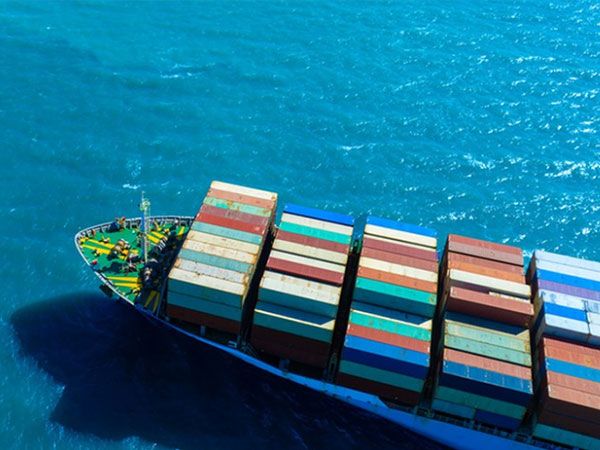
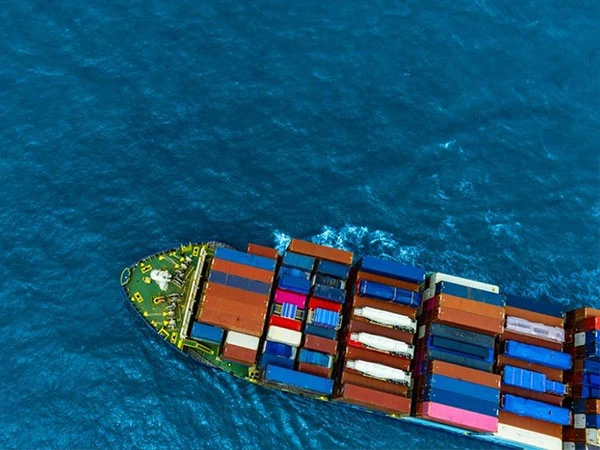
When it comes to sea freight, there are some additional considerations. For one, the label needs to be durable enough to withstand the harsh marine environment. It should be resistant to water, salt, and UV rays. Also, since sea shipments often involve multiple ports and transfers, the label should be clear and easy to read from a distance.
If you're interested in Cargo Ships Agent From China To Thailand, they can provide more guidance on the specific labeling requirements for that route. And if you want to understand the Process Of Sea Freight, it's a great resource to check out.
Air Freight
Air freight has its own set of rules. The labels need to be lightweight and not add too much extra weight to the package. They also need to be visible and legible from all angles, as the packages are often handled and scanned in different orientations. Hazardous materials have even stricter regulations in air freight, and the labels must comply with the International Air Transport Association (IATA) Dangerous Goods Regulations.
Land Freight
For land freight, the label should be large enough to be easily seen, especially if the shipment is being transported on trucks or trains. It also needs to be able to withstand vibrations and rough handling during transit. In some cases, there may be local regulations regarding the placement of the label on the package.
Special Considerations for International Shipping
When shipping raw materials internationally, you need to be aware of the regulations of both the exporting and importing countries. Different countries may have different requirements for labeling, especially when it comes to hazardous materials. For example, some countries may require additional information on the label, such as the emergency contact information or the specific handling procedures in case of a spill.
If you're shipping to a Vietnam Amazon Warehouse from China, make sure you understand the local regulations in Vietnam. This can save you a lot of headaches and potential fines.
How We Ensure Proper Labeling
As a freight shipping raw materials supplier, we take labeling very seriously. We have a team of experts who are well - versed in the different labeling requirements for various shipping modes and destinations. We double - check all labels before the shipments go out to ensure that they meet all the necessary standards.
We also keep up - to - date with the latest regulations and industry best practices. This allows us to provide our customers with the most accurate and compliant labeling solutions.
Conclusion
Proper labeling of raw materials in freight shipping is not just a formality; it's a crucial part of ensuring the safety, efficiency, and compliance of the shipping process. By following the requirements for product identification, quantity, origin, hazardous material information, and handling instructions, you can avoid a lot of potential problems.
If you're in the market for freight shipping raw materials and want to ensure that your shipments are properly labeled, don't hesitate to reach out. We're here to help you navigate the complex world of freight shipping and make sure your raw materials get to their destination safely and on time.
References
- International Maritime Organization (IMO) regulations on shipping labels.
- International Air Transport Association (IATA) Dangerous Goods Regulations.
- National regulations of various countries regarding raw material shipping labels.


